

Turkish Candies: History, Flavors & Brands
Please leave a review or any memories of this snack in the comments at the end of this post.
Turkey is definitely an interesting destination for a vacation. It is one of the world’s most culturally and geographically diverse countries, where European and Asian traditions meet. You can easily notice this mix in the architecture, traditions, hospitality, social gatherings, and, of course, the food.
Turkish cuisine is one of the most intriguing parts of visiting the country. Even though Turkish food features flavors from various culinary traditions, it still has its own very clear identity, especially when it comes to Turkish candies.
In this article, we will talk about 5 popular Turkish candies with tastes you will probably remember long after trying them.
1. Lokum

Lokum is one of the oldest and most internationally well-known Turkish candies. It is a soft, chewy sweet snack that comes from the time of the Ottoman Empire. Typically, it is made with sugar, starch, and water, which creates a gel-like consistency. For serving, lokum is cut into cubes and dusted with sugar powder or coconut flakes. This prevents the candy from sticking to your fingers and also adds more taste.
Quick Quiz
Which Of These Is The Oldest Candy?
Lokum is known for its various floral and fruit flavors like rosewater, bergamot, lemon, pomegranate, orange, mint, and more. This sweet snack is often present with tea or coffee at social gatherings and family events. Locals associate this candy with hospitality, excitement, and entertainment. In that sense, it belongs to Turkey’s older leisure culture, which is still present alongside modern entertainment habits, such as playing online games on platforms like Yep Casino Online or exploring other digital games during free time. Either way, lokum remains one of the most iconic pieces of Turkish confectionery.
2. Pişmaniye

Pişmaniye is a traditional Turkish sweet. It is often compared to cotton candy, although they taste different. Pişmaniye consists of many thin sugar strands combined with butter and roasted flour. It creates a light, flaky, and airy snack that still tastes rich. Its roots go back to Ottoman culture, specifically to the city of İzmit, where it first became famous.
The word “pişmaniye” is thought to have a Persian origin. It means strands of wool, explaining the look and texture of the candy. Sometimes locals jokingly call it “pişman,” which is Turkish for “regret,” considering you can easily overeat it and regret eating too much sugar later. The most common flavors include chocolate, vanilla, pistachio, cocoa, and hazelnut.
3. Metro

If you like caramel chocolates, like Caramilk, this Turkish candy will soon become your favorite. Metro is one of the famous chocolate bars and a regular sweet snack in convenience stores. For locals, it is often associated with childhood nostalgia. It consists of caramel, nougat, biscuit, or crispy wafer layers covered in milk chocolate. All these ingredients make the chocolate more filling and satisfying than other chocolate bars, which is why it became so popular.
Metro was created by a Turkish company called Ülker. Over the years, different variations have appeared as well, like dark chocolate, but the classic caramel one with chocolate still appears to be the most iconic.
4. Bebeto
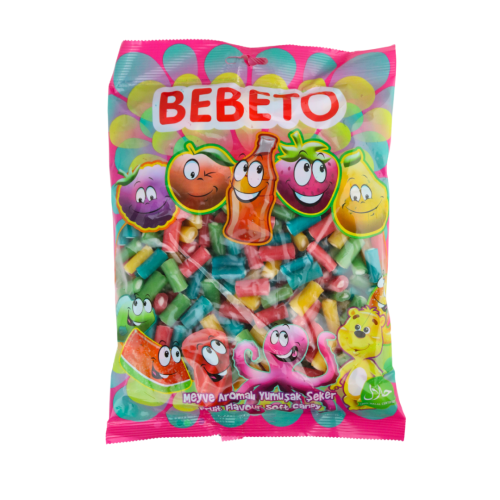
Bebeto is an internationally famous Turkish brand owned by Kervan Gıda. It produces gummy bears, jelly beans, marshmallows, and sour fizzy candy. Unlike the traditional sweets, Bebeto candies represent the modern treats of Turkey and continue to become more and more popular around the world.
A lot of foreigners who tried Bebeto candy have mentioned they instantly got hooked on its flavors and textures. If you enjoy candies like Sour Patch Kids or Dandies Marshmallows, Bebeto will probably feel familiar but still exciting. While lokum and pişmaniye show the older side of Turkish candy culture, Bebeto represents its modern and global side.
5. Akide Şekeri

Akide Şekeri is a traditional Turkish candy, which is known for its hard consistency. It is made by boiling sugar and flavoring it with herbs, spices, and various fruit essences. Once it cools down, it becomes glossy-looking, crunchy, and aromatic candy.
The word “Akide” comes from Arabic and is associated with loyalty or commitment. According to history, Ottoman Empire soldiers would be given this candy during special ceremonies as a reward for their loyalty. The most common flavors are lemon, mint, cinnamon, clove, bergamot, ginger, and rose.
Bottom Line
Turkish sweet snacks definitely have their own signature tastes. Because of their uniqueness, they catch the hearts of so many people beyond Turkey and are famous among foreigners. Whether traditional or modern, Turkish sweet treats clearly consist of something special. If you are a candy enthusiast, you should definitely not miss out on trying them.


Related Posts
Asian Candy: History, Flavors & Ingredients
Please leave a review or any memories of this snack in the comments at the end of this post. Asian candy stands out due…
Read more
Belgian Chocolate: History, Brands & Flavors
Please leave a review or any memories of this snack in the comments at the end of this post. Do you remember the feeling…
Read more
Chinese Candy: History, Flavors & Varieties
Please leave a review or any memories of this snack in the comments at the end of this post. Every country has its own…
Read more