
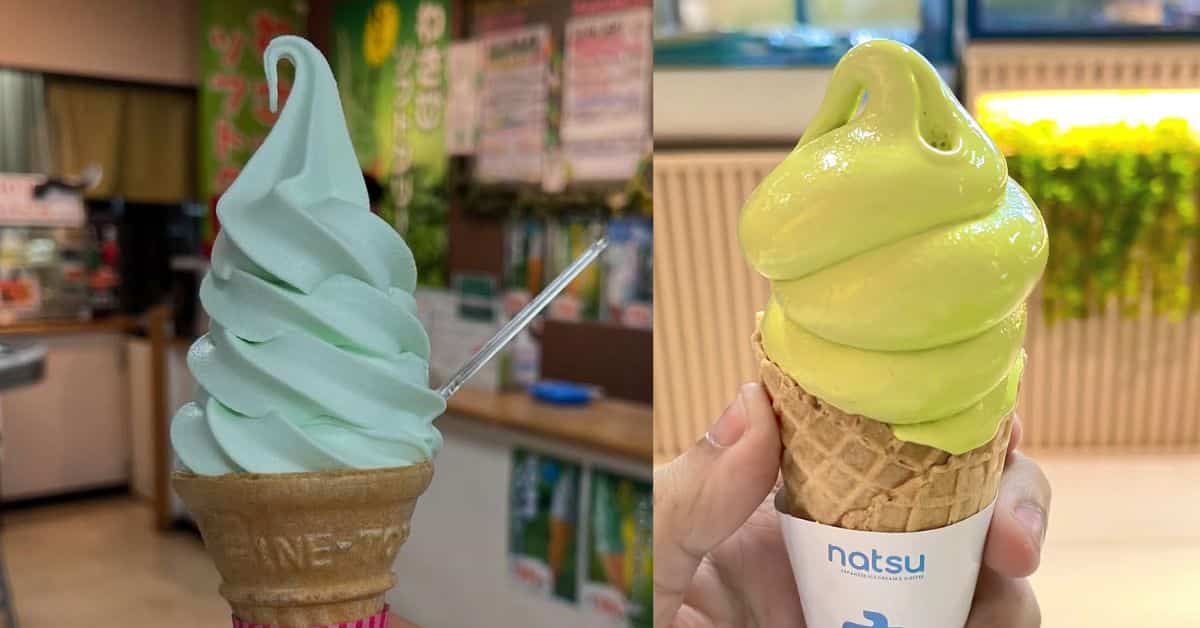
Japanese Ice Cream: History, Flavors & Varieties
Please leave a review or any memories of this snack in the comments at the end of this post.
Snack History Nostalgia Rating: ⭐⭐☆☆☆
While traveling in Japan, you might find yourself standing in front of a Japanese ice cream shop and feeling completely overwhelmed. In this scenario, you should know that this experience is natural for one simple reason: Japan takes frozen desserts seriously. This means that Japanese people can actually put soy sauce on a cone and make it taste incredible. Jokes aside, if you’re an ice cream lover, consider yourself lucky because in Japan, you’ll find so many unique flavors, some of which you probably haven’t even heard of.
In this article, we chose 5 of those unique Japanese ice cream flavors that are worth trying if you’re visiting the country.
| Japanese Ice Cream | Facts |
|---|---|
| Country of Origin | Japan |
| Candy Type | Frozen Dessert / Ice Cream |
| Original Flavors | Wasabi, Black Sesame, Sakura, Matcha, Miso |
| Still Available | Yes, widely available across Japan year-round |
| Notable Characteristic | Unique savory and floral flavor profiles uncommon in Western ice cream |
| Key Ingredient Example | High-grade matcha powder used in authentic Japanese matcha ice cream |
| Seasonal Availability | Sakura ice cream available all year round despite cherry blossom season being spring |
| Cultural Significance | Flavors like wasabi ice cream featured at local events and festivals in Japan |
Japanese Ice Cream Timeline
- Ancient — Traditional Japanese ingredients like miso and sesame established in cuisine
- Spring Seasonal — Sakura cherry blossom season inspires sakura-flavored Japanese desserts
- Modern Era — Matcha ice cream becomes signature Japanese flavor globally recognized
- Modern Era — Black sesame ice cream gains dedicated fanbase despite unusual dark color
- Modern Era — Wasabi ice cream emerges in Japanese shops, surprising Western tourists
- Modern Era — Miso ice cream introduced, combining fermented soybean flavor with sweetness
- Present — Japanese ice cream culture recognized worldwide for creative unique flavors
Japanese Ice Cream vs Häagen-Dazs Japan Limited Edition
| Feature | Japanese Ice Cream | Häagen-Dazs Japan Limited Edition |
|---|---|---|
| Origin | Japan (local artisan shops) | Japan (Häagen-Dazs Japan division) |
| Flavor Profile | Savory and floral: wasabi, miso, sakura, matcha, black sesame | Seasonal Japanese flavors such as matcha and sweet bean |
| Texture | Creamy with unique roasted or umami notes depending on flavor | Rich and creamy, premium smooth texture |
| Availability | Year-round in Japanese ice cream shops and at local events | Seasonal limited editions in convenience stores and supermarkets |
| Price Range | Varies by shop, typically affordable street food pricing | Premium pricing reflecting luxury brand positioning |
| Cultural Role | Integral to festivals, tourism, and seasonal Japanese experiences | Collector appeal through limited seasonal Japanese releases |
| Western Familiarity | Largely unfamiliar to Western consumers, considered exotic | Globally recognized brand making Japanese flavors more accessible |
1. Wasabi
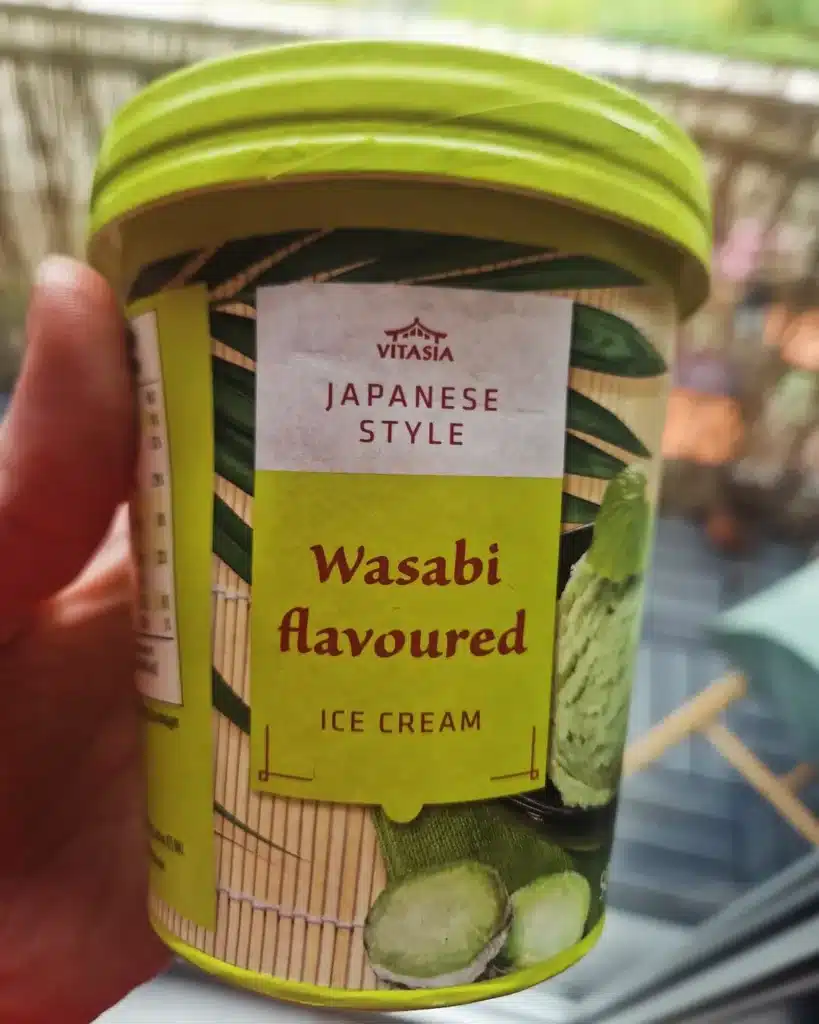
Yes, you read that right. As strange as it may sound, in Japanese ice cream shops, you can find ice cream made with wasabi. Since wasabi is usually associated with sushi and sashimi, people from Western countries find it strange to turn it into ice cream. Besides, wasabi usually leaves that sharp burning feeling in the nose, which is not something we look forward to while eating sweet ice cream.
Still, many tourists dare to try this flavor and even enjoy a little punch it leaves in the nose in combination with a creamy vanilla base. And when it comes to locals, they even turned this ice cream flavor into an integral part of certain activities. That’s why you can easily spot this ice cream at random events, almost similar to how randomly the “ice” theme itself shows up in winter festivals or entertainment brands like Ice Casino, where you can play your favorite online games accompanied by winter themes.
2. Black Sesame

Once you try black sesame ice cream, there’s no going back. It’s true that it may seem a bit visually off, or at least not attractive. After all, who wants to order a scoop that is black and doesn’t look like a dessert at all?
Quick Quiz
Which Of These Is The Oldest Candy?
Nevertheless, even with this charcoal-looking color, the flavors of black sesame ice cream have plenty of fans in Japan. Usually, this ice cream has a nutty, roasted taste, and the texture feels a bit different from traditional sweet ice cream. However, sweetness is enough to balance this roasted sesame flavor. As an added benefit, you can even treat this dessert as a beneficial addition to your diet. It does include sugar, but the natural antioxidant properties of black sesame seeds will help you feel less bloated and more energized compared to traditional sugary ice creams, such as Caplico.
3. Sakura

Cherry blossom season is one of the main reasons why millions of people plan their trips to Japan, specifically in spring. But seeing these pink trees isn’t the only thing you should be excited about. In fact, Sakura ice cream is a big part of the whole experience. Japanese people adore this flower so much that they had to somehow include it among Japanese candies and desserts, and that’s why cherry blossom ice cream has become one of the most iconic treats in the country.
Luckily, unlike the flower itself, sakura ice cream is available all year round. Therefore, you can easily try these soft, dreamy pink desserts whenever you visit Japan and expect to taste the prettiest scoop you can ever hold in your hands that tastes even better.
4. Matcha

Matcha ice cream is perhaps already considered a signature Japanese flavor. Matcha is so popular in this country that Japanese people produce typical Western candies with matcha flavors, such as Japanese Kit Kat with Uji matcha flavor. The same applies to ice cream, and Japan does it better than anywhere else in the world.
Yes, Japanese matcha ice cream is nothing like the typical ice creams you can find in Western countries. Instead, the local version that you can find in Japan is much more bitter and, therefore, more beneficial as it’s made with high-grade matcha powder. And once you try the authentic version, chances are that you’ll never like that watery matcha ice cream you had back at home anymore.
5. Miso

And we saved the weirdest Japanese ice cream flavor for the last, which is miso ice cream. You don’t need to second-guess that this dessert might taste a bit weird as it’s made from fermented soybeans, but it turns out the salty, umami miso flavors can suit a sweet treat as well.
If you ever try miso ice cream, you may notice that in dessert, miso flavors taste like salted caramel. And if that’s your favorite flavor in desserts, you might as well enjoy the combination of salty miso flavors and sweet vanilla ice cream. In some Japanese shops, you can even find miso ice cream combined with caramel or brown sugar so that it tastes more like ice cream and less like a bowl of soup.
Bottom Line
Now you’re probably convinced that Japanese ice cream flavors are nothing like ordinary things you can find at your local scoop shop. While in Japan, you can certainly find simple flavors like chocolate, vanilla, or strawberry, what makes Japanese ice cream so unique is its creative flavors. So, if ice cream inspired by tea culture, exotic fruit, or some traditional ingredients that you can’t even name sounds interesting, try to give these 5 unique ice cream flavors a try and thank us later.
Frequently Asked Questions about Japanese Ice Cream
What are the most unique Japanese ice cream flavors worth trying?
Some of the most unique Japanese ice cream flavors include wasabi, black sesame, sakura, matcha, and miso. Each offers a surprisingly enjoyable taste experience, blending traditional Japanese ingredients with sweet creamy bases.
Is wasabi ice cream actually spicy?
Wasabi ice cream does carry a light punch in the nose similar to eating wasabi with sushi. However, many tourists find the combination of the sharp wasabi sensation with a creamy vanilla base enjoyable rather than overwhelmingly spicy.
Can I find sakura ice cream outside of cherry blossom season?
Yes, unlike the cherry blossom flower itself which blooms only in spring, sakura ice cream is available all year round in Japan. This means visitors can enjoy it regardless of when they travel to the country.
How does Japanese matcha ice cream differ from matcha ice cream in Western countries?
Japanese matcha ice cream is made with high-grade matcha powder, giving it a more bitter and authentic flavor compared to the watered-down versions found in Western countries. Once you try the authentic Japanese version, the post content suggests you may never enjoy the Western imitation again.
What does miso ice cream taste like?
Miso ice cream has a salty, umami flavor that closely resembles salted caramel when used in a dessert context. Some Japanese shops enhance the flavor further by combining miso with caramel or brown sugar to make it taste more like traditional ice cream.


Related Posts
Colombian Snacks & Candy: History, Flavors & Origins
Please leave a review or any memories of this snack in the comments at the end of this post. Have you ever wondered what…
Read more
Russian Snacks: History, Ingredients & Flavors
Please leave a review or any memories of this snack in the comments at the end of this post. The richness and diversity of…
Read more
Lucky Foods Around the World: History, Trivia & Countries
Please leave a review or any memories of this snack in the comments at the end of this post. Did you know that food…
Read more