
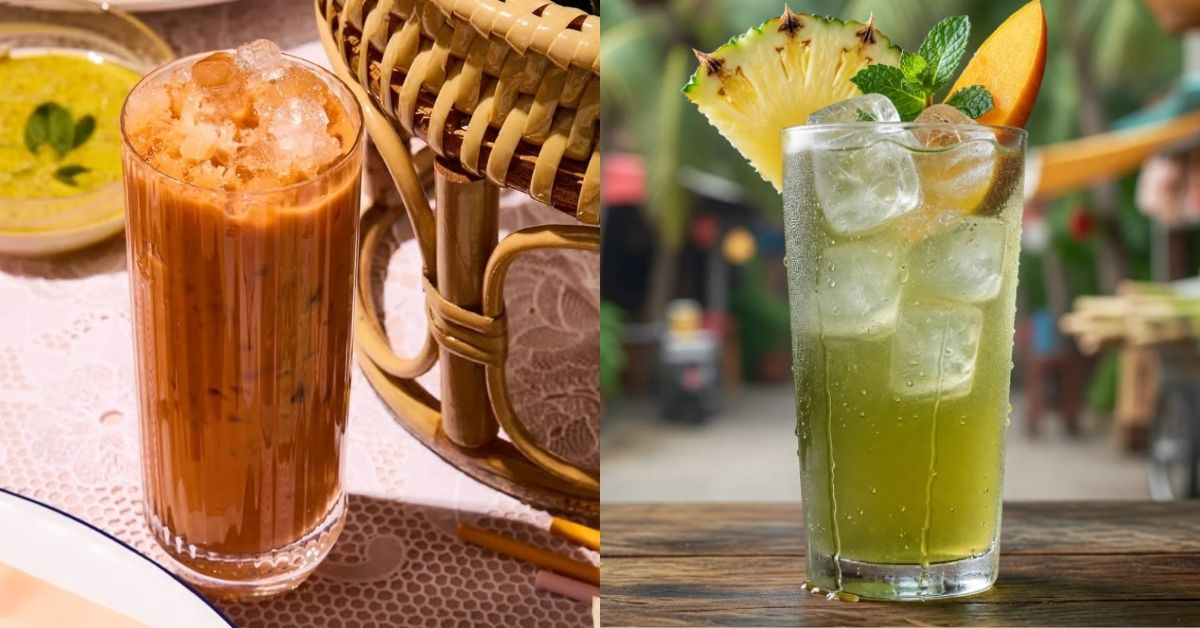
Thai Street Drinks: History, Flavors & Cultural Roots
Please leave a review or any memories of this snack in the comments at the end of this post.
Thai street food and local snacks are among the main reasons why travelers around the world often have Thailand on their bucket list. If you’ve ever been to this country, chances are that you’re still amazed by how many flavorful, diverse, cheap, and, at the same time, high-quality products you can find at random street markets.
But have you ever noticed that Thai street drinks don’t always receive as much attention as the food? It’s really a shame because Thai street stalls have plenty to offer. Some of these drinks are sweet and creamy. Others may be bitter or herbal, but most of them are developed through local traditions.
In this article, we’ll introduce 5 Thai street drinks and explore some cultural stories behind them.
1. Kratom

Not many people in Western countries have heard about kratom, but if you’ve already been to Thailand, chances are that someone would mention it or offer you liquid kratom products during your trip. At least, you may have noticed that motorbike taxi drivers or other workers slowly sip a dark drink from reused plastic bottles during their breaks.
That’s kratom, and what makes it stand out from most typical refreshing drinks is its unusually high capacity to boost your energy and alertness. That’s because kratom can act like a stimulant but not like coffee, which mainly provides a caffeine boost. In fact, it’s free from caffeine and instead contains active compounds that interact with opioid receptors. That’s why it was considered a drug in Thailand for decades, and selling or advertising it could lead to legal trouble.
Quick Quiz
Which Of These Is The Oldest Candy?
For a long time, kratom was a working person’s drink in southern Thailand, and farmers used to chew the leaves or brew them into a bitter tea. Thailand banned it in 1943 to protect state revenue from the opium trade. Luckily, kratom has been legal in Thailand since 2021, and you can easily find it as a street drink, either brewed fresh or sometimes mixed into bottled drinks.
2. Cha Yen

If there’s one Thai street drink that tourists immediately recognize without thinking twice, it’s definitely Cha Yen. You can’t leave Thailand without tasting the local Thai iced tea at least once. And if you’ve already tried it once, it’s easy to guess that it became your go-to while you were in Thailand.
Cha Yen is a famous orange iced tea that is impossible to miss on Thai streets. It’s made from strongly brewed black tea, sugar, condensed milk, and plenty of ice. Usually, it’s served in a clear plastic cup and is a great way to refresh yourself while walking in the heat of Bangkok or exploring a crowded night market.
Although this drink has been consumed in Thailand for much longer, the modern version of Cha Yen became popular during the 20th century, when ice and condensed milk became easily accessible in the country. Today it’s much more than just a random drink — it has become one of the symbols of Thai street food culture.
3. Nam Oy
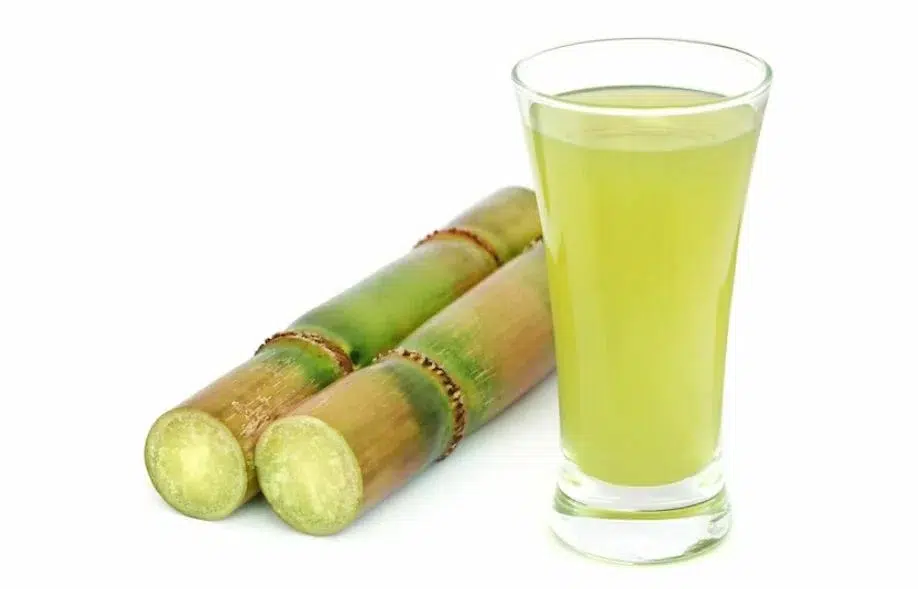
Speaking of refreshing drinks, if you’re walking in the streets of hot Bangkok, trying to survive and explore the culture at the same time, you can’t think of something better than Nam Oy. It’s sugarcane juice made right in front of you. While its sweet, grassy taste can easily satisfy you and meet your cravings, another pleasure is watching how it’s being prepared. Usually, it’s made by pressing fresh sugarcane stalks and therefore contains natural but still very high sugar content.
The best part is that Nam Oy is a part of Thai culture and has been sold on street markets for generations. The reason is that Thailand has been a sugar producer for so long, and sugarcane grows particularly well in its warm tropical climate.
4. Oliang

If you’re a coffee lover and aim to taste something local, we suggest adding Oliang to your list. As much as you like Thai tea, sometimes tea isn’t enough to satisfy your caffeine cravings. But this traditional Thai iced coffee might be exactly what you need.
Oliang has a dark color and a strong, smoky taste that feels much more intense than Cha Yen. Still, it’s very different from usual iced coffee, because in addition to coffee grounds, it also contains roasted corn, soybeans, rice, sesame seeds, and other grains.
Interestingly, the name of this drink comes from Chinese words, and it means something black and cold. This is probably because of the influence Chinese communities had on Thai street-food culture.
5. Coconut Water
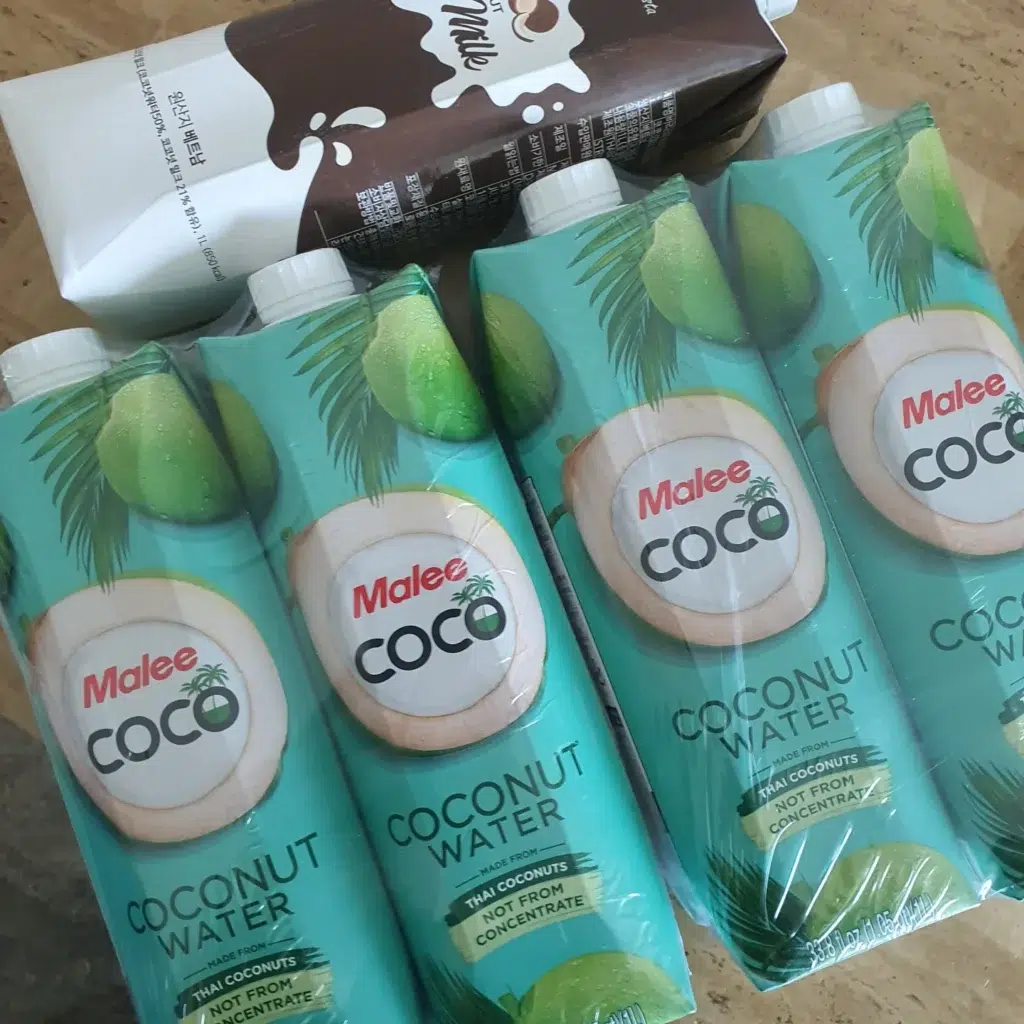
Last but not least, one thing that is a must-try in Thailand is fresh, young coconut water, which is literally sold on every corner in tourist areas, local markets, and beaches. Instead of pouring it into a plastic cup, vendors usually cut open the top of a chilled coconut and place a straw directly inside it. That’s what makes it so special and unforgettable. And as coconuts are an important part of Thai cuisine and appear in various Asian street snacks, drinking coconut water directly from the fruit will give you a taste of something that has influenced Thai food culture for generations.
Bottom Line
As you can see, Thai street drinks are never just about refreshment. They are related to the culture of the country and reflect its history, agriculture, working habits, and even foreign influences. Whichever drink you prefer from this article, one thing is for sure: tasting local drinks can help you understand Thailand from a different perspective.


Related Posts
Monster Energy: History, Brands & Facts
Please leave a review or any memories of this snack in the comments at the end of this post. Snack History Nostalgia Rating: ⭐⭐☆☆☆…
Read more
Orbitz Drink: History, Flavors & Availability
Please leave a review or any memories of this snack in the comments at the end of this post. Snack History Nostalgia Rating: ⭐⭐⭐⭐☆…
Read more
Pepsi Max: History, Flavors & Varieties
Please leave a review or any memories of this snack in the comments at the end of this post. Snack History Nostalgia Rating: ⭐⭐☆☆☆…
Read more