
How Did Halloween Candy Become Part of the Holiday?
Please leave a review or any memories of this snack in the comments at the end of this post.
Halloween is a very popular holiday with kids and adults alike. People love dressing up for fun, sharing candy and snacks with friends, family, and neighbors, and being able to give in to whimsy for a single night of every year. Most people take for granted that candy has always been a big part of the Halloween experience, but that is not actually the case.
Halloween became a modern holiday by borrowing from various other ancient practices, and candy was added to the holiday’s traditions in the 1920s. If you love sharing candy, inviting people to hang out and play games like the ones offered at Spin City, or dressing up to go out on the town, you are enjoying added experiences that were not part of the original holiday’s practices. Let’s talk about how candy became part of the Halloween tradition.
Where Does Halloween Come From?

Halloween is a reimagining of the ancient Celtic holiday of Samhain. The ancient festival was all about lighting bonfires, sharing food, and trying to appease wandering spirits that had not gone to rest in the afterlife. This holiday tradition included gifting sweet bread “soul cakes”, which were enjoyed as a nod to those who had gone to the afterlife and in the hopes of appeasing spirits who were lost between worlds.
These Celtic traditions evolved over time to include wearing costumes and playing pranks if a child was not given a treat upon request. You might still be wondering how candy came into the picture. A combination of factors brought candy onto the scene, making it an integral part of the holiday as we know it today.
Candy Becomes Part of the Halloween Tradition

By the 1920s, children were taking Halloween very seriously. They roamed the streets on Halloween asking for treats, and if they did not receive any, they would immediately perpetrate a trick against the parties who did not give them the treats that they had asked for. Trick-or-treat became more like trick-or-vandalize.
Quick Quiz
Which Of These Is The Oldest Candy?
By the 1930s, adults had decided that something needed to be done to curb the vandalism that was the result of children in costume being told they could not have a treat. Households began to offer popcorn balls, cookies, fruit, or nuts to children asking for treats on Halloween, and the vandalism associated with “tricks” tapered off.
The trouble with offering handmade items to children all night long on a busy holiday was that it was costly and time-consuming to prepare food just to give it away to strangers’ children. Savvy folks working in the marketing department of US candy manufacturers and candy stores realized that individually wrapped candies would be much easier for people to hand out on Halloween.
When sugar rationing finally ended after the close of World War II, candy makers were able to ramp up production of candies that could be packaged individually. Rebounding sugar supplies made it much more affordable to create confectionery items, and new candy varieties entered the market as well. The 1950s and 1960s were set to become a boom period for prosperity, and the candy industry showed just how clearly the tide had shifted from wartime minimalism to post-war maximalism.
By the 1950s, individually wrapped candies could be purchased specifically for Halloween. These candies became so popular due to their convenience that commercial candy was the absolute gold standard for the Halloween experience by the 1970s. Candy companies were quick to point out that individually wrapped candies were hygienic, safe, and convenient. They made sure the wrappers were colorful and interesting, and they sold adults on the idea that sugar was a safe product for kids to consume in large quantities.
Which Candies Were Created With Halloween in Mind?
Surprisingly, most of the candies that are given out on Halloween were not actually invented with Halloween in mind. There are a surprising number of candies that are still popular today that have been in production since before the Halloween holiday became such a big part of the fabric of American culture.
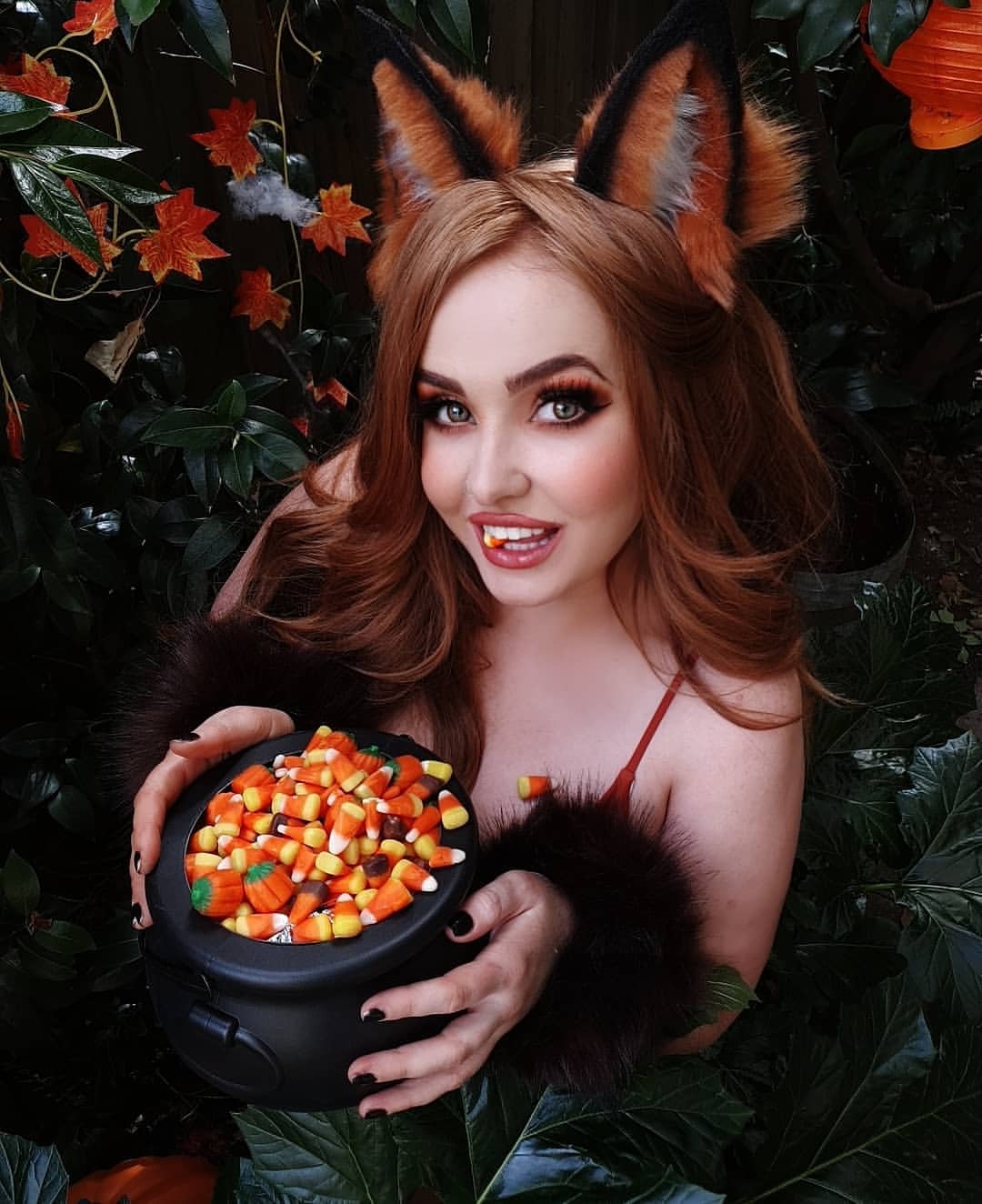
Candy corn was invented well before Halloween became a huge commercial holiday, but it was later rebranded to be sold with more success on Halloween. Originally, candy corn was sold as “Chicken Feed” and the packages were decorated with a rooster. When Halloween became a popular holiday, it was rebranded as “Candy Corn” and linked more directly with the trappings of the holiday.
Black and orange taffies were also reintroduced when Halloween candy became a top seller. These candies had been introduced to the candy market in 1910, but they were never a very big success. Once they were reintroduced as part of the staple candies that you needed to gift to children on Halloween, they found a permanent foothold in the trick-or-treat candy lineup. These candies are typically molasses-flavored, but might also be peanut butter-flavored in some parts of the US.
Today, “fun-size” candies are promoted heavily in the months leading up to Halloween since they are easier to toss into pillowcases or trick-or-treat pumpkins. While the varieties of the candies don’t change for the holiday, the size and appearance of the packaging are often altered slightly to indicate that these products are ideal for Halloween.
Trick-or-Treating Changed Halloween and Candy Forever
It’s hard to imagine Halloween without candy, but not that long ago, Halloween was more about scaring and pranking people than it was about seeing how much candy you could collect in one night. Candy makers saw Halloween as a chance to recover from the slump in production that was caused by World War II, and keeping kids busy on a night when they were traditionally naughty seemed like a great way to direct consumerism and keep kids and neighborhoods safe.
The next time that you or your child collects candy on Halloween, remember that Halloween is a relatively new holiday that has only recently been associated with candy and costumes. Halloween candy and the practice of trick-or-treating are highly enj


Related Posts
Sugar Mama Candy: History, Packaging & Brands
Please leave a review or any memories of this snack in the comments at the end of this post. Snack History Nostalgia Rating: ⭐⭐⭐⭐☆…
Read more
Candy Cane: History, Flavors & Facts
Please leave a review or any memories of this snack in the comments at the end of this post. Snack History Nostalgia Rating: ⭐⭐⭐⭐⭐…
Read more
PEZ Candy: History, Flavors & Trivia
Please leave a review or any memories of this snack in the comments at the end of this post. Snack History Nostalgia Rating: ⭐⭐⭐⭐⭐…
Read more