

Candy Myths: Facts, Nutrition & Trivia
Please leave a review or any memories of this snack in the comments at the end of this post.
Snack History Nostalgia Rating: ⭐⭐⭐☆☆
Most of us adore candy, and it’s a fact. However, the internet is full of false information about sweets. Have you heard that eating chocolate is bad for your health? Do you think that no type of candy can be healthy and that eating too much chocolate can cause skin problems? Then, you’re probably among those people who are surrounded by misinformation about candy.
That’s why we decided to break the stereotypes and prove that all the common candy myths aren’t true!
In this article, we came up with candy myths that are very familiar to everyone and are always on our minds when we eat the whole box of our favorite M&M’s or Skittles. Thanks to the National Confectioners’ Association, we can prove that chocolate, candy, and various types of sweets are not only bad but, on the contrary, can have a positive influence on your physical or mental health. So, let’s get started.

| Candy Myths | Facts |
|---|---|
| Candy Type | Various (chocolate, gummies, lollipops, candy corn, jelly beans, gumdrops) |
| Key Ingredient | Sugar (principal ingredient in all candy) |
| Calorie Example | Eight gumdrops or jelly beans contain approximately 115 calories |
| Sugar Comparison | One Fun Size Snickers has 8.5g sugar vs. 19g in a medium apple |
| Chocolate Allergy Rate | Only 1 in 500 suspected allergy cases tests positive |
| Acne Research | No correlation found between chocolate and acne since 1960s studies |
| Toxicity Note | Theobromine in chocolate is toxic to dogs but not average humans |
| Industry Source | National Confectioners' Association |
Candy Myths Timeline
- 1960s — Studies show no link between chocolate and acne.
- Pre-1900s — Sugar-based candy establishes itself as global confection category.
- Recent — Study finds only 1 in 500 chocolate allergy claims confirmed.
Candy Myths vs Reese's Peanut Butter Cups
| Feature | Candy Myths | Reese's Peanut Butter Cups |
|---|---|---|
| Candy Type | Snickers (chocolate bar) | Reese's (chocolate & peanut butter cup) |
| Manufacturer | Mars, Inc. | The Hershey Company |
| Introduced | 1930 | 1928 |
| Primary Flavors | Chocolate, caramel, peanut, nougat | Chocolate and peanut butter |
| Availability | Worldwide | Worldwide |
| Price Range | $1–$2 (standard bar) | $1–$2 (standard pack) |
| Calories | ~215 calories (standard bar) | ~210 calories (2-cup pack) |
Top 6 Candy Myths
In the modern world of misinformation, false news spreads faster than anybody can imagine. Therefore, even though it’s hard to identify all the candy myths, we’ve gathered some popular facts about candy and based on accurate information, revealed that most of them are in fact, false. So, here are the 6 most popular candy myths and we’re about to prove the truth about them!
Myth #1: Sweets Cause Tooth Decay.
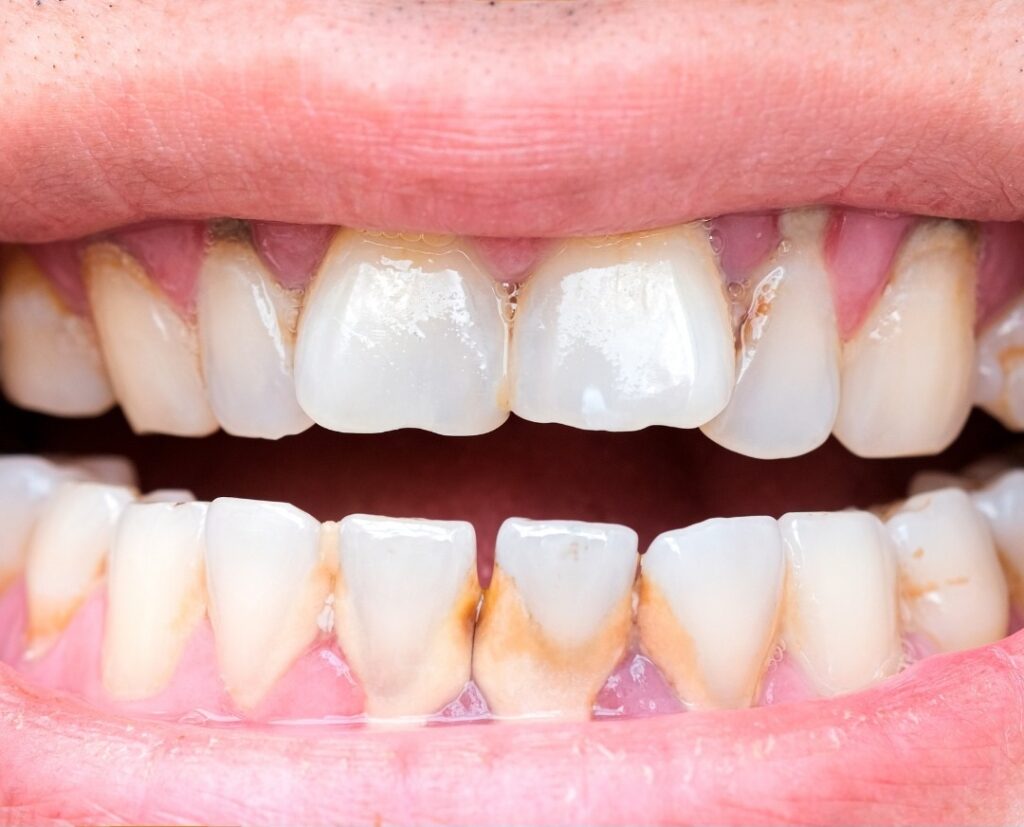
The one your mother always told you about. Right? This myth is mostly created by our moms who imprinted it into our brains. Imagine yourself eating some candy in the movie theater and being worried about waking up with no teeth the next day.
The truth is, any food containing carbohydrates, like starches and sugars, can cause tooth decay and cause various injuries. The only way to protect yourself from it is to maintain regular hygiene. Good oral hygiene (brushing your teeth after every meal and snack) can protect your teeth from such damage.
Quick Quiz
Which Of These Is The Oldest Candy?
Myth #2: Every Candy Is Highly Caloric
It’s true that every candy contains a high amount of sugar. But if we look at it in terms of calories, eight gumdrops or jelly beans have 115 calories. Also, one Fun Size Snickers contains 8.5 grams of sugar, while a medium-sized apple packs 19 grams of sugar. As a result, consuming them in moderation will not result in the problems you expect.
Myth #3: There Is No Such A Thing As Healthy Candy
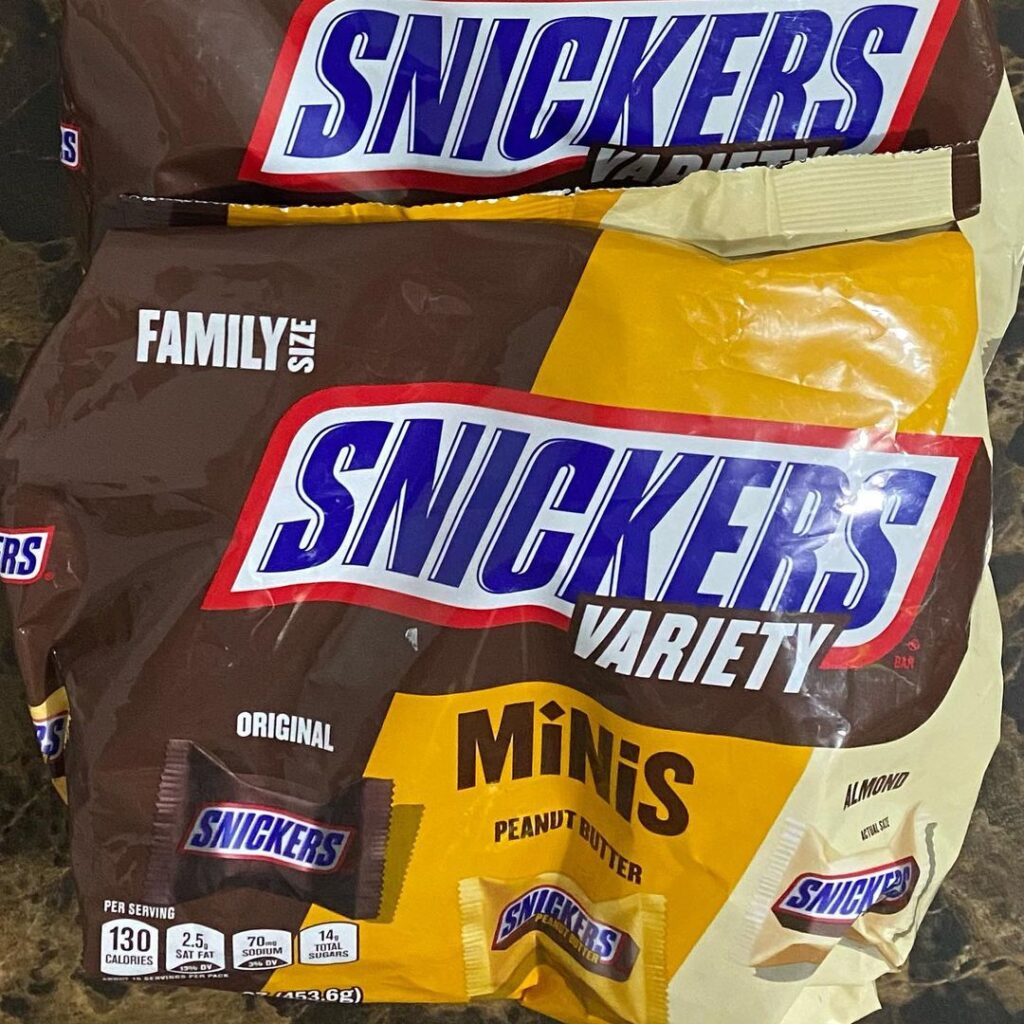
It’s no secret that candy isn’t healthy food. They contain too much sugar, they are full of carbohydrates, and indeed, they affect our health badly. However, it’s among other popular candy myths that healthy candy doesn’t even exist.
In fact, many of them, like lollipops, Snickers, and gummies, have no fat or cholesterol, making them a healthier treat than you may have realized before. For example, one cup of candy corn contains fewer calories than the same amount of raisins.
Myth #4: Many People Are Allergic To Chocolate
A recent study destroyed this myth, showing that a mere one out of 500 individuals who thought they were allergic to chocolate actually turned out positive for the allergy.
If you’re having a reaction when you eat chocolate, you may be reacting to something else. You also may have a sensitivity instead of an allergy.
Myth #5: Chocolate Can Be Deadly

This one is actually true – but only if you are a dog! Blame theobromine, which stimulates the cardiac muscle This one is actually true – but only if you are a dog! Blame theobromine, which stimulates the cardiac muscle and the central nervous system and causes toxicity in dogs, and even then, only in large amounts.
In spite of the fact that it is almost impossible for the average human to die from eating too much chocolate, “there certainly is a toxic dose of chocolate, and it can be fatal,” says Reed Caldwell, an emergency medicine physician at New York University Langone Medical Center. However, he says, if you attempt it, you are far more likely to wind up in the emergency room with a severely upset stomach (likely with vomiting) than with a chocolate overdose.
Myth #6 : Chocolate Causes Acne
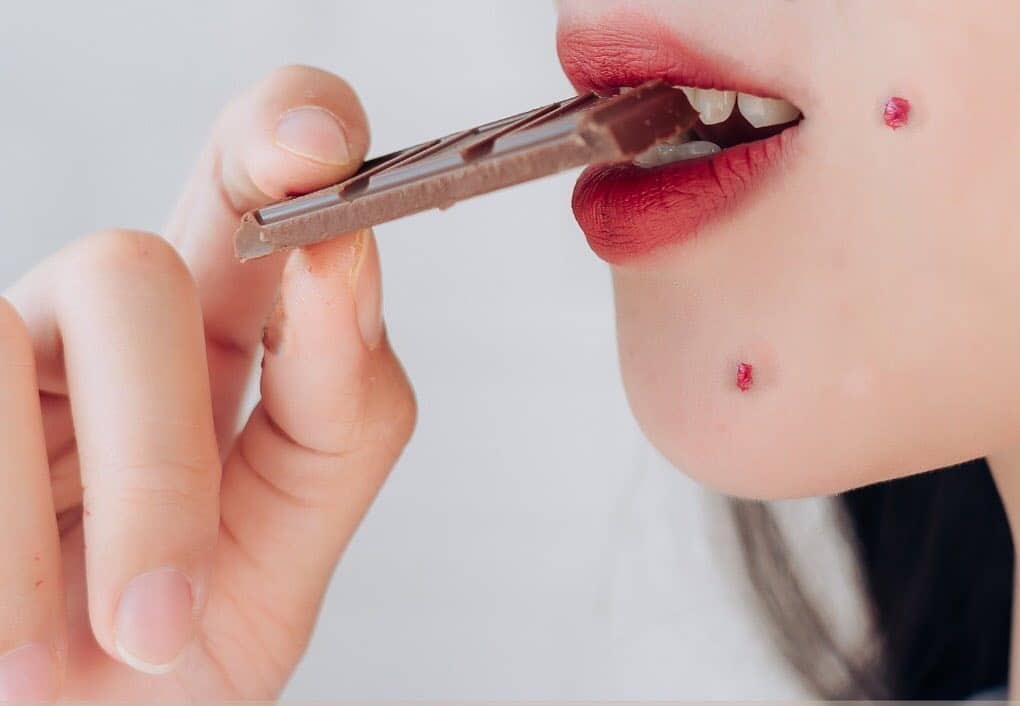
Studies dating all the way back to the 1960s have shown no correlation between the two, even in large amounts of consumption. No one loves to wake up with a pimple on their forehead, but we can’t blame chocolate for this. So you can enjoy the desired amount of chocolate and continue your skincare routine as you usually do.
Bottom Line on Candy Myths
To sum up, it might be an unpopular opinion, but it’s a fact that there are a lot of candy myths that are indeed false. Surprisingly, eating chocolate is not so harmful, and even more, it can even have positive consequences for your health. And even if sweets, in general, can be bad for our teeth, if you maintain good oral hygiene, we can bet that nothing can harm your teeth! So, the next time someone starts complaining about the side effects of sweets, remember that not everything people think is a fact is actually true.
Candy Myths Timeline
- 1960s — Studies conducted showing no correlation between chocolate consumption and acne, even in large amounts.
- Recent (unspecified) — A study revealed that only 1 out of 500 people who thought they were allergic to chocolate actually tested positive for the allergy.
- Ongoing — The National Confectioners' Association has provided data helping to debunk common candy myths around nutrition, health, and safety.
Frequently Asked Questions about Candy Myths
Does eating candy always cause tooth decay?
Not necessarily. While any food containing carbohydrates such as sugars and starches can contribute to tooth decay, candy alone is not the sole culprit. Maintaining good oral hygiene, including brushing your teeth after every meal and snack, can effectively protect your teeth from damage.
Is all candy highly caloric?
This is a common misconception. For example, eight gumdrops or jelly beans contain only about 115 calories, and one Fun Size Snickers has just 8.5 grams of sugar compared to 19 grams in a medium apple. Consuming candy in moderation is unlikely to cause the health problems many people fear.
Can chocolate cause acne or skin problems?
No, this is a myth. Studies dating back to the 1960s have found no correlation between chocolate consumption and acne, even when consumed in large amounts. You can continue enjoying chocolate without worrying it will cause breakouts, as long as you maintain your regular skincare routine.
Is it true that many people are allergic to chocolate?
This is largely a myth. A recent study found that only one out of every 500 people who believed they were allergic to chocolate actually tested positive for the allergy. People experiencing reactions may be responding to another ingredient in the chocolate product or may have a sensitivity rather than a true allergy.
Is there such a thing as healthy candy?
While candy is not considered a health food, the idea that no candy can be healthy is a myth. Many candies, including lollipops, Snickers, and gummies, contain no fat or cholesterol. Additionally, one cup of candy corn contains fewer calories than the same amount of raisins, making some candies a lighter treat than expected when eaten in moderation.


Related Posts
Bottle Caps Candy: History, Flavors & Packaging
Please leave a review or any memories of this snack in the comments at the end of this post. Snack History Nostalgia Rating: ⭐⭐⭐⭐☆…
Read more
Coconut Grove Candy Bar: History, Brands & Facts
Please leave a review or any memories of this snack in the comments at the end of this post. Snack History Nostalgia Rating: ⭐⭐⭐⭐⭐…
Read more
Fritos: History, Flavors & Origin
Please leave a review or any memories of this snack in the comments at the end of this post. Snack History Nostalgia Rating: ⭐⭐⭐⭐⭐…
Read more