

Fanta: History, Flavors & Origin
Please leave a review or any memories of this snack in the comments at the end of this post.
Snack History Nostalgia Rating: ⭐⭐⭐⭐☆
Fanta, the fruit flavored soft drink with numerous flavors that is owned by Coca-Cola has an incredibly interesting history. From first being created with Nazi Germany as a replacement for Coca-Cola to being remade and rebranded in Italy.
Let’s talk about Fanta and how it became one of the most internationally recognized soft drinks in the world. Going from why it was developed in Nazi Germany to becoming the fruit flavored drinks we know it as today.
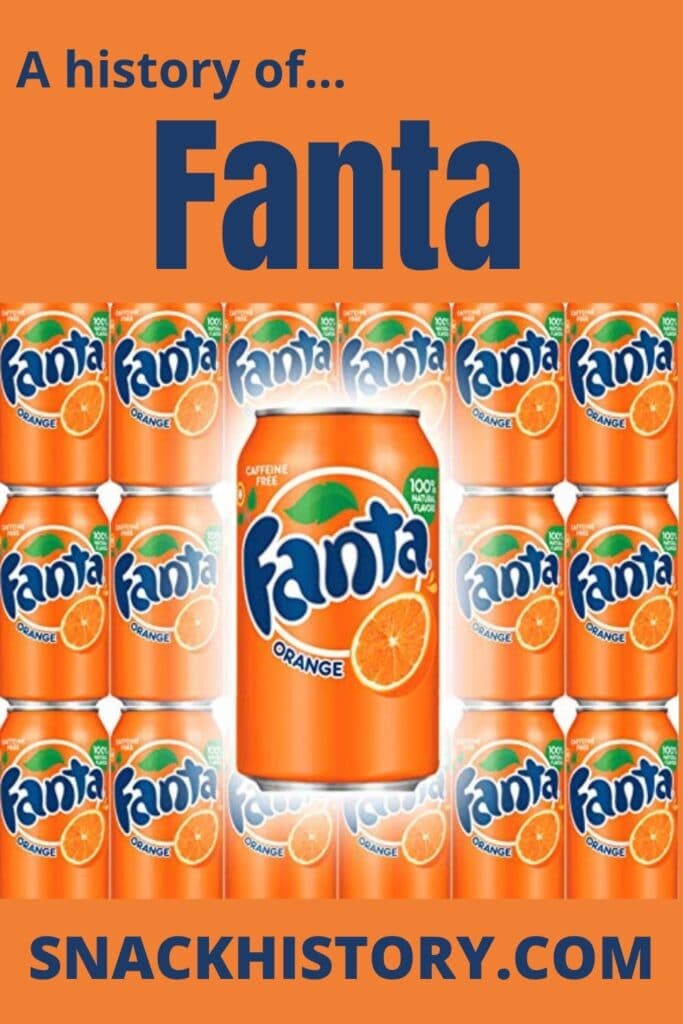
| Fanta | Facts |
|---|---|
| Introduced | 1940 |
| Manufacturer | Coca-Cola (Germany) |
| Drink Type | Fruit-flavored carbonated soft drink |
| Original Flavors | Single flavor made from fruit shavings, pulp, and beet sugar |
| Still Available | Yes, worldwide |
| Country of Origin | Germany |
| Parent Company | The Coca-Cola Company |
| Name Origin | Shortened version of the German word for fantasy |
Coca-Cola in Germany
To tell the full story of Fanta, we have to go a decade before it was created. Coca-Cola had been sold within Germany a decade before World War 2 and it was actually quite popular there.
Even when the Nazis took control of the country, Coca-Cola was still made millions in Germany. The person to thank for Coca-Cola’s success there Max Keith, who ran Coca-Cola’s operation in Germany.
When the Nazis took over, Keith quickly began advertising Coke as the official drink of Nazi Germany. The German public bought into this propaganda and Coca-Cola surged in popularity there.
So much so that Coca-Cola became one of the official sponsors of the 1936 Olympics held in Berlin. Many Nazis in positions of power, including Hitler himself were said to have loved Coca-Cola.
The US Trade Embargo
The sale of Coca-Cola in Nazi Germany would abruptly end after Japan bombed Pearl Harbor. This action by Japan would force the US into WW2 against Germany, who allied with Japan.
Since the US were now at war with Japan and Germany, a strict trade embargo would be implemented. This embargo meant that no American products were allowed to be sent or sold within and especially not Coca-Cola.
It was considered America’s drink and couldn’t be associated with Nazis.
Coca-Cola creates Fanta
Even though Coca-Cola could not be sold in Nazi Germany, the company did not want to close their factories. Max Keith had to act fast, because the Coca-Company in Germany was on the verge of shutting down their operations.
Keith and his team needed to come up with a new beverage that would somehow replace Coca-Cola. Something that the Third Reich would embrace as the official drink of Germany that was 100% German.
They also had limited resources due to the trade embargo, so Keith’s chemist began coming up with recipes. A salesman on Keith’s team named Joe Knipp would pitch the idea to name this beverage “Fanta.”
A shortened version of the German word for fantasy. The name stuck and the drink has been known as Fanta ever since.
The Fanta recipe
What we know as modern fruit flavored Fanta as today was not the original recipe of the drink. The original recipe for Fanta was a more primitive one due to the trade embargo.
Since Coca-Cola didn’t have access to traditional soft drink ingredients, they had to improvise with the Fanta recipe. The original Fanta recipe basically consisted of discarded remains from other food industries they bought along with war time rations.
Everything from fruit shavings, pulp, and beet sugar were added to make the original Fanta drink. Some even said that this drink had a flavor of cheese rather than a normal soda or soft drink.
Quick Quiz
Which Of These Is The Oldest Candy?
This drink would save Coca-Cola in Germany and replace Coca- Cola as the official drink there during the war.
Fanta becomes the top drink in Nazi Germany
Fanta would quickly become the top drink in 1940s Germany, but that was really because there was no drink market. The only options the German people really had in terms of soft drinks was Fanta or nothing.
It also wasn’t exclusively drunk by Germans during the war. Due to its popularity, Fanta was exempt from the rationing laws implemented in Germany during this time.
Germans would use Fanta in a variety of things from sweeteners in soups and desserts. This was due to beet sugar being used in Fanta to sweeten the drink.
In the height of Fanta’s popularity, Coca-Cola would sell around three million cases in 1943.
Fanta in the Netherlands
The Dutch Coca-Cola Company also faced the same problems as the Coca-Cola plant in Berlin. Ingredients they needed to make Coke were in short supply and they were on the verge of shutting down.
Keith would offer the Dutch Coca-Cola affiliate the use of the Fanta brand and recipe to save the company there. They quickly accepted Keith’s offer and began making their own version of Fanta.
The Dutch version of Fanta was a bit different than Germany’s version. In the Dutch version, they would use elderberries to sweeten the drink rather than beet juice.
Original Fanta ends its production
By 1945, Germany had lost the war and all through this time Max Keith was still making Fanta. When the Americans entered Berlin, they found Keith in a nearly bombed out Coca-Cola factory still making Fanta.
Even though Max Keith worked with Nazis during WW2, he actually did not gave any repricussions for his actions. The heads of Coca-Cola actually applauded Keith’s allegiance to Coca-Cola during this time.
Stating that he could’ve shut down the Coca-Cola plant and came home, but persevered and saved the company’s German operations.
Unfortunately, the end of World War 2 meant the end of the production of the original Fanta.
Fanta Timeline
- 1930s — Coca-Cola becomes popular in pre-war Nazi Germany
- 1936 — Coca-Cola sponsors the Berlin Olympic Games
- 1941 — US trade embargo halts Coca-Cola sales in Nazi Germany
- 1940 — Max Keith creates Fanta to keep German factories open
- 1940 — Salesman Joe Knipp pitches the name Fanta
- 1943 — Coca-Cola sells three million cases of Fanta in Germany
- 1944 — Dutch Coca-Cola affiliate adopts Fanta using elderberries
- 1945 — Germany loses war; Americans find Keith still producing Fanta
Fanta vs Sprite
| Feature | Fanta | Sprite |
|---|---|---|
| Introduced | 1940 | 1961 |
| Manufacturer | The Coca-Cola Company | The Coca-Cola Company |
| Flavors | Multiple fruit flavors | Lemon-lime |
| Price Range | $1.00 – $2.50 | $1.00 – $2.50 |
| Availability | Worldwide | Worldwide |
| Calories (12oz) | Approximately 160 | Approximately 140 |
| Country of Origin | Germany | United States |
Fanta gets reintroduced
The Coca-Cola company would wait ten years before reintroducing Fanta to the public. This was in response to Pepsi, who began releasing new products of their own.
They loved the name, but were not going to use the formula that used rations like the Germans had to use.
Coke wanted to come up with a brand new formula that matched the name of the product. Chemists for the company came up with an orange flavored recipe that was infinitely better than the original.
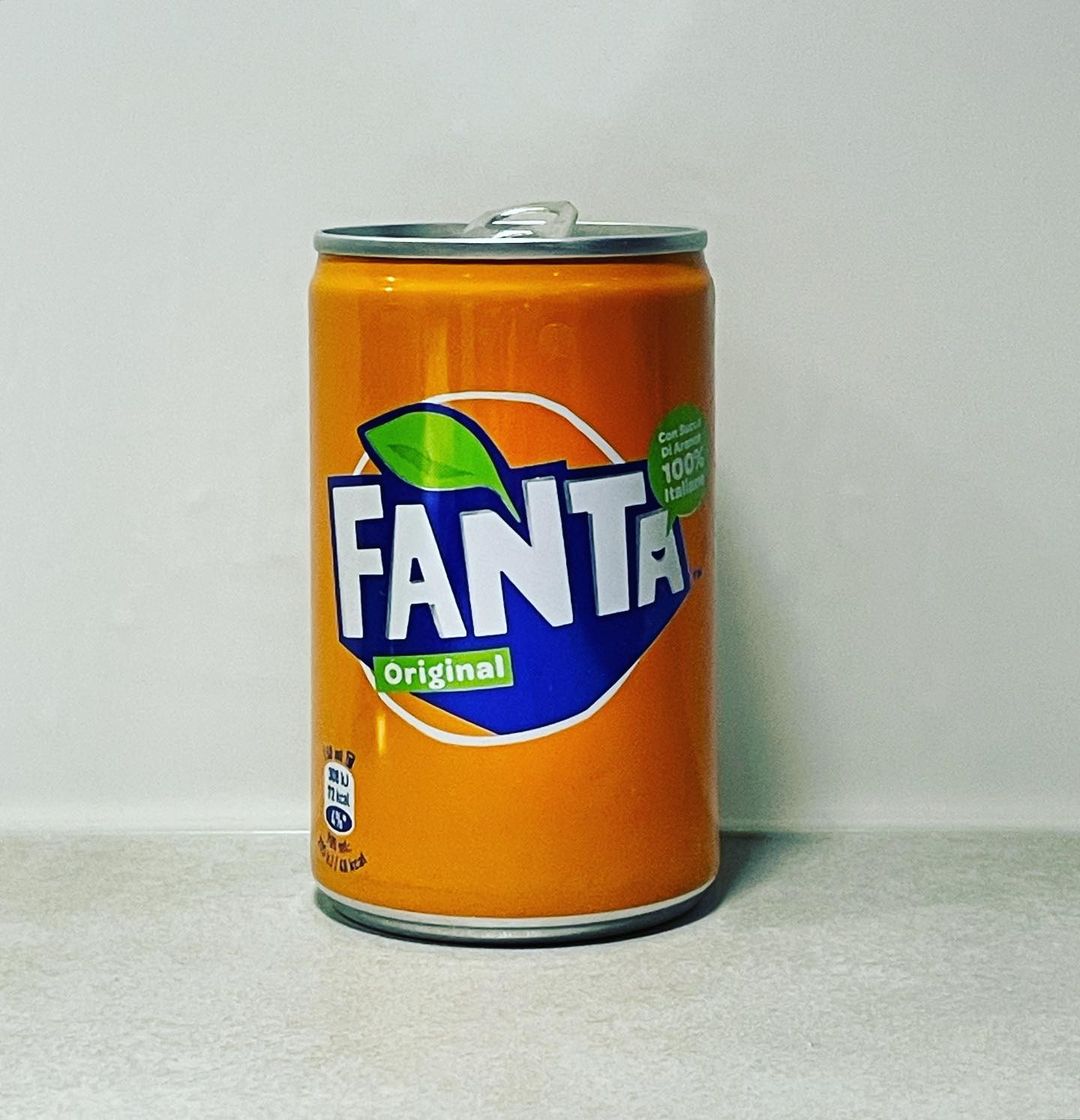
This new variation of Fanta would be created in Naples, Italy in 1955 for two particular reasons. Naples had a Coca-Cola plant with oranges readily available and the company didn’t want Fanta to take sales away from Coke.
Europe would be the perfect market to test out the new orange flavored Fanta.
Fanta catches on
Fanta gained popularity rather rapidly within Europe. So much so that Coca-Cola began expanding the drink’s availability to different markets.
It became especially popular in tropical markets that enjoyed fruit flavored drinks like South America and South Africa. This would lead to the drink gaining international popularity and numerous types of flavors being created.
After selling well in various markets, Coca-Cola finally let Fanta be sold in the US.
Famous marketing campaign
In 2001, Fanta’s popularity in the US had really declined. Coca-Cola executives wanted to give the drink a brand new advertisement campaign.
They turned to the ad agency Ogilvy to help them come up with a new campaign. What that came up with made Fanta once again explode in popularity .
Coke would introduce “The Fantas.” Beautiful models in colored clothes that represented the top flavors of the drink. The Fantas would sing the jingle “Wanta Fanta!”
This ad campaign would last for 5 years and then get reintroduced for a short time in 2009.
Interesting facts
Fanta is actually the first drink that Coca-Cola made that wasn’t Coca-Cola. For decades it was just under Coca-Cola as the most sold soft drink in the world.
Logo
Buy Online

Flavors
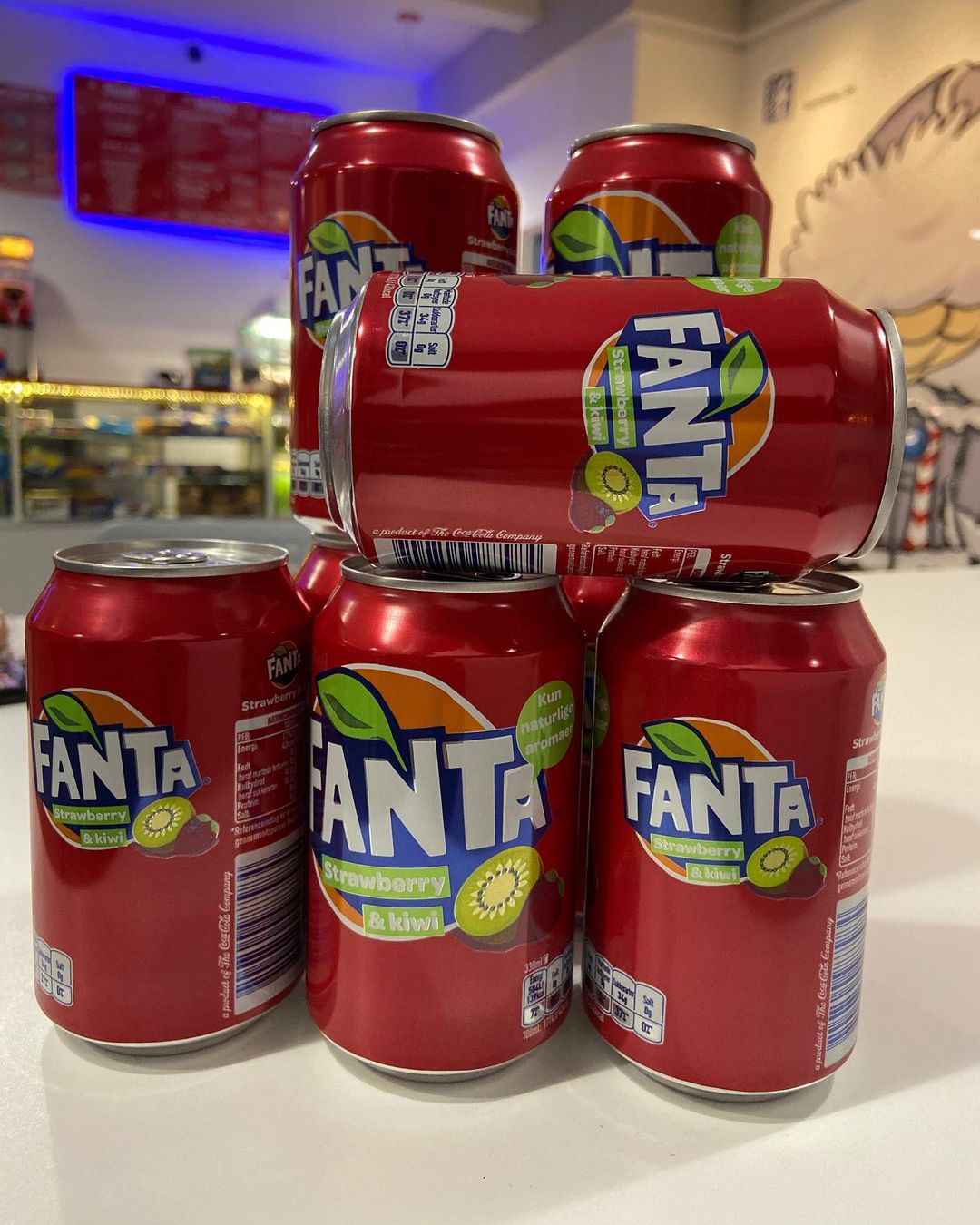
Today, there are over 100 different flavors of Fanta available with different regional flavors in each country. Here is a list of some of those flavors.
- Orange
- Grape
- Ginger Ale
- Root Beer
- Lemon-Lime
- Pineapple
- Strawberry
- Berry
- Red Tangerine
- Citrus
- Cherry
- Birch Beer
- Blue Raspberry
- Peach
- Zero Orange
- Zero Strawberry
- Zero Grape
- Zero Peach
- Fruit Punch
- Lime
- Zero Lime
- Raspberry
- Zero Raspberry
- Zero Cherry
- Zero Fruit Punch
- Zero Vanilla
- Vanilla
- Wild Cherry
- Cherry Limeade
- Melon Frosty
- Blue Vanilla
- Sour Green Apple Freeze
- Banana Freeze
- Mango
- Grapefruit
- Apple
- Fruit Punch
- Green Apple
- Black Cherry
- Pina Colada
- Cream Soda
- Icy Lemon
- Fruit Twist
- Peach
- Clear Apple
- Melon Cream
- Ume
- White Strawberry
- White Banana
- Honey Lemon
- Moo Moo White
- Clear Pineapple
- Strawberry Cream
- Nashi
- Salty Watermelon
- Funmix
- Golden Grape Muscat
- Party-Mix Muscat and Apple
- Love Berry
- Tropical Yogurt
- Otona Pear
- Otona Peach
- Yuzu
- Zero Cider
- Ultra Lemon
- Tropical Mango
- Guarana
Ingredients
- Carbonated Water
- Sugar
- Orange Juice from Concentrate (3.7%)
- Citrus Fruit from Concentrate (1.3%)
- Citric Acid
- Vegetable Extracts (Carrot, Pumpkin)
- Sweeteners (Acesulfame K, Sucralose)
- Preservative (Potassium Sorbate)
- Malic Acid
- Acidity Regulator (Sodium Citrate)
- Stabiliser (Guar Gum)
- Natural Orange Flavourings with Other Natural Flavourings
- Antioxidant (Ascorbic Acid)
Nutrition
| Serving Size: | 1 can or bottle (16 fl oz) (496g) | % Daily Value* |
| Amount Per Serving | ||
| Calories from Fat | 0 | |
| Calories | 238 | |
| Total Fat | 0g | 0% |
| Saturated Fat | 0g | 0% |
| Trans Fat | 0g | |
| Polyunsaturated Fat | 0g | |
| Monounsaturated Fat | 0g | |
| Cholesterol | 0mg | 0% |
| Sodium | 60mg | 3% |
| Potassium | 9.9mg | 0% |
| Total Carbohydrates | 61g | 20% |
| Dietary Fiber | 0g | 0% |
| Protein | 0g | |
| Vitamin A | 0% | |
| Vitamin C | 0% | |
| Calcium | 1.9% | |
| Iron | 1.7% |
- Percent Daily Values are based on a 2000 calorie diet.
Royal
In the Philippines, Fanta is not sold as Fanta within this country. Instead, Coca-Cola sells Fanta under the name “Royal” and offers many of the same flavors as in other countries.
Competitors
Here are some of the more prominent competitors to Coca-Cola’s Fanta.
- Slice
- Sunkist
- Faygo
- Tropicana Twister
- Tango
- Orangina
- Crush
- Mirinda
Fanta today
Today, Fanta is available on nearly every continent and one of Coca-Cola’s biggest sellers right under Coke. This brand is nearly 80 years old and shows will continue to be a globally popular soft drink.
Pictures
Commercials
FAQ
Who invented Fanta?
Fanta is a brand of fruit-flavored carbonated soft drinks created by u003cstrongu003eCoca-Cola Deutschlandu003c/strongu003e under the leadership of German businessman Max Keith.
When was Fanta invented?
First on sale in u003cstrongu003e1960u003c/strongu003e, currently Fanta is the second-largest soft drink brand in the world.
Where did Fanta originate?
Fanta was first created in u003cstrongu003eGermanyu003c/strongu003e. Fanta came about during the Second World War when there was a trading ban between Germany and any of the Allies’ countries.
How much sugar is in Fanta?
There are u003cstrongu003e57 gramsu003c/strongu003e of sugar in a 16 fl oz can or bottle.
Frequently Asked Questions about Fanta
Why was Fanta created?
Fanta was created because a US trade embargo during World War 2 prevented Coca-Cola from being sold in Nazi Germany. Max Keith, who ran Coca-Cola's German operations, needed a new drink to keep the factories open and replace Coca-Cola. His team developed Fanta as a 100% German beverage that the Third Reich would embrace as their official drink.
What was the original Fanta made from?
The original Fanta recipe was far removed from the fruit-flavored drink we know today. Due to limited resources caused by the trade embargo, it was made from discarded remains from other food industries, including fruit shavings, pulp, and beet sugar. Some people even described the original Fanta as having a flavor resembling cheese rather than a typical soft drink.
Who came up with the name Fanta?
The name Fanta was pitched by a salesman on Max Keith's team named Joe Knipp. The name is a shortened version of the German word for fantasy. The name stuck and the drink has been known as Fanta ever since its creation in the early 1940s.
How popular did Fanta become in Nazi Germany?
Fanta quickly became the top drink in 1940s Germany, largely because it had virtually no competition in the soft drink market. At the height of its popularity, Coca-Cola sold around three million cases of Fanta in 1943. Germans also used Fanta beyond just drinking it, incorporating it as a sweetener in soups and desserts due to its beet sugar content, and it was even exempt from wartime rationing laws.
What happened to Max Keith after World War 2?
Despite working closely with the Nazi regime during World War 2, Max Keith faced no repercussions for his actions after the war ended. When American forces entered Berlin in 1945, they found Keith still operating a nearly bombed-out Coca-Cola factory and producing Fanta. The heads of the Coca-Cola Company actually applauded Keith's loyalty to the brand, noting that he could have shut down operations entirely but chose to keep the company alive.



Just wondering why Fanta acts like Red Cream never existed? Why did they stop making it?