

Zapp’s Chips: History, Flavors & Origin
Please leave a review or any memories of this snack in the comments at the end of this post.
Snack History Nostalgia Rating: ⭐⭐⭐☆☆
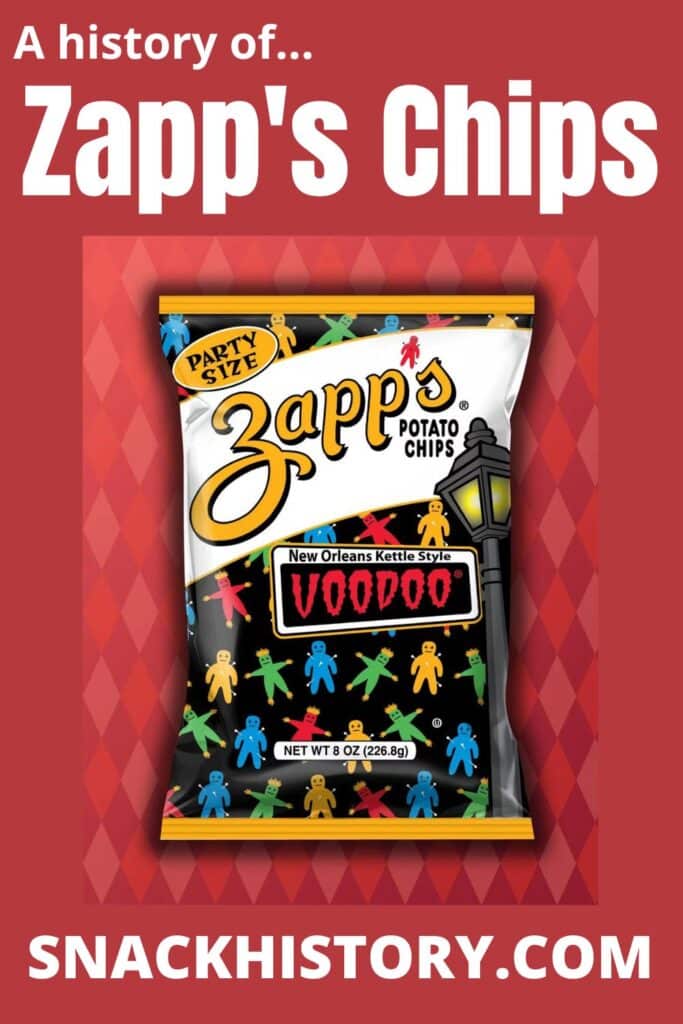
Zapp’s Chips are well-known for creating Voodoo Chips. These Cajun-cuisine-inspired chips are a favorite of consumers in the regions where they are offered for sale, and you can get your hands on them via online ordering today as well. However, there are more chips in the Zapp’s family than Voodoo Chips. The company is now owned by Utz, but most of the chip varieties that Zappe created are still sold today.
This company was created by a former oil-field equipment manufacturer who needed a new industry to work in after he lost everything in the 1980s oil bust. The Zapp’s company is a great example of the American ideal of building a company from the ground up, and the founder spent most of his later years creating the company from scratch nearly single-handedly.
| Zapp's Chips | Facts |
|---|---|
| Introduced | 1985 |
| Manufacturer | Zapp's (now Utz) |
| Chip Type | Kettle-cooked potato chips |
| Original Flavor | Cajun Crawtator |
| Still Available | Yes, including online ordering |
| Country of Origin | United States |
| Parent Company | Utz |
| Founded In | Gramercy, Louisiana |
History
Zapp’s was the brainchild of Ron Zappe. Zappe had been the owner of a successful oil-filed equipment business, but he lost everything in the 1980s oil but. He moved from Houston to Louisiana and immediately decided that he would start a potato chip business. He loved Cajon cuisine and noticed that there were no chip products that featured these flavors. He decided that this would be the perfect way to draw attention to his product, and he started working on developing a line of potato chips he could sell in his new hometown of Gramercy, LA.
His first creation was the Cajun Crawtator, which he had ready for sale in 1985. It had taken him some time to find a bank willing to grant funding for the business to a man who had four failed businesses on his resume. However, he was able to secure $150,000 in funding, and he located a close Chevrolet dealership that he could afford to turn into his manufacturing location.
Zappe didn’t have a lot of money left over from his remodel of the dealership to market his product or to enter into talks with major distributors. So, he did things the old-fashioned way. He took his spicy chips with him to busy intersections of East Jefferson Street and handed them out for free to people parked at stop lights. He also created some new flavors of chips, which he was able to license to LSU as Zapp’s Tiger Tators. The exposure to Zapp’s Chips that was possible at football games led to the creation of the “Who Dat?” chip which was sold to the New Orleans Saints football team.
Zappe also got the word out through more unusual methods. It turned out that the factory location had been the location for teenagers to come and make out in their cars before Zappe purchased the land. Once the Zappe company moved in, the teenagers kept visiting, and they split their time between watching the chips being made and enjoying each other’s company. These kids were offered new varieties to test, and they probably helped to get the word out about the company.
Local moms also loved Crawtators for casseroles of various kinds, and this chip became an ingredient that was essentially required for various local dishes that got served at potlucks and family gatherings. There are many recipes that you can find online that will tell you just how to use Crawtators in a casserole for the best effect. This is the kind of loyalty that all food companies are looking for when they create a brand, and the visibility that is gained just by having moms on your side really can’t be downplayed when it comes to marketing.
Quick Quiz
Which Of These Is The Oldest Candy?
Feeling that there was still more work that needed to be done to get national attention on his chip company, Zappe also created a hotline, 1-800-HOT-CHIP, which could be called for “chip emergencies” This was a very clever gimmick, and during the early years of its existence, the company really did ship out chips to people when they called the hotline.
One of the big draws for this brand of chips was not only that they were made with creole flavors but also that they were kettle-cooked in peanut oil. This offered a completely new kind of flavor for chip products that many people had never experienced. This was in advance of the kettle-cooked chip craze that was soon to be popularized all around the US.
Various food influencers became aware of the chips, and people like J. Kenji Lopez-Alt told their loyal followers all about these delightful and unusual chips. Between increasing awareness of the chips and their unique flavors and some improvements to the New Orleans-inspired packaging for the products, Zappe was finally able to move some of his distribution outside of Louisiana.
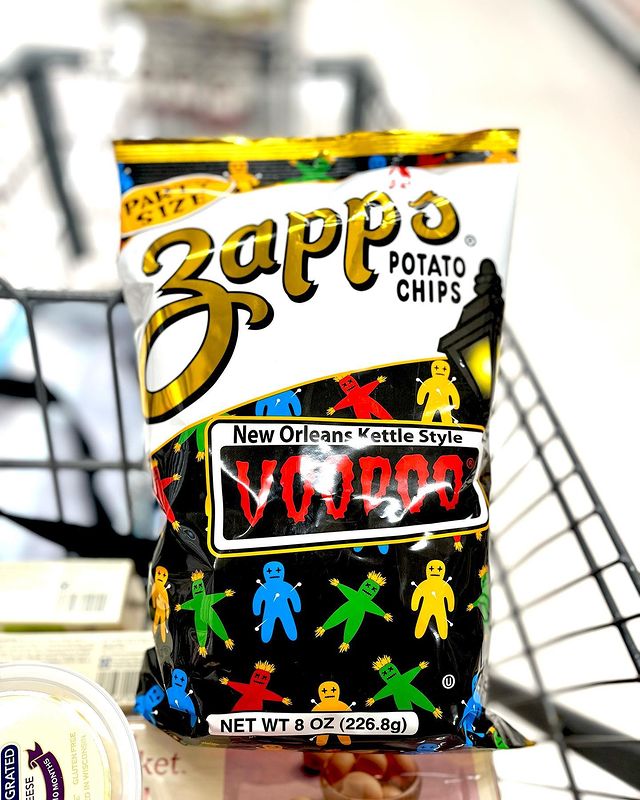
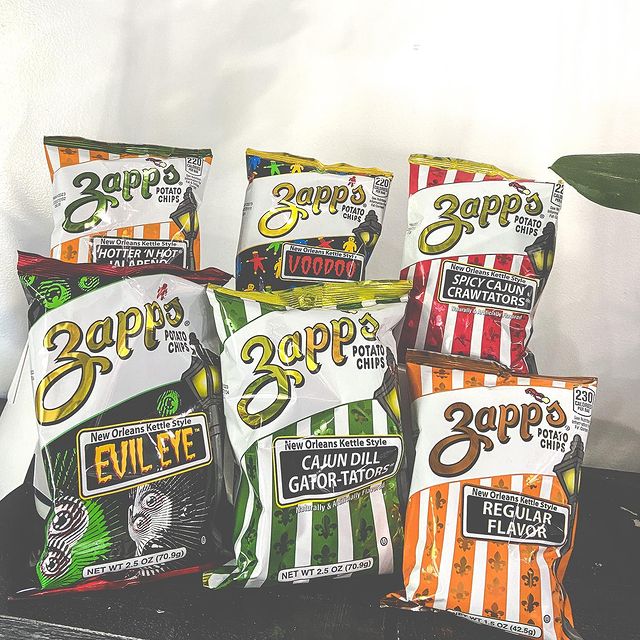
There is nothing quite like the colorful, Southern-inspired branding that was used for the various versions of the livery of this product. You can easily spot Zapp’s products on the shelves of stores, and the design of the bags is so playful and fun that it’s almost impossible to resist picking them up and buying them. For people who love spicy snacks, there really isn’t a better option on the market either, and the truly authentic level of Cajun spice in some of the Zapp’s products is an experience all by itself.
Zappe’s goal of creating a national distribution for his chip brand was not possible during his lifetime. He did ensure, however, that the company would pass to the Utz brand after he died. Utz added pretzel stix and some other variations on the original Zapp’s Chips to the lineup before moving the products to a more national distribution plan. The products are still made in the original factory in Gramercy, but it is becoming increasingly likely that you will find Zapp’s Chips in your local supermarket. The growth of online sales has also made it much easier for people all over the US and the world to try these yummy chips based on Creole recipes.
Zapp's Chips Timeline
- 1980s — Oil bust wipes out Ron Zappe's equipment business.
- 1985 — Zappe launches Cajun Crawtator in Gramercy, Louisiana.
- 1985 — Zappe secures $150,000 loan; converts Chevrolet dealership into factory.
- 1985+ — Free chip samples handed out at East Jefferson Street intersections.
- 1985+ — Tiger Tators licensed to LSU for football game exposure.
- 1985+ — "Who Dat?" chip created and sold to New Orleans Saints.
- 1985+ — 1-800-HOT-CHIP hotline launched for chip emergencies.
- 1985+ — Distribution expands beyond Louisiana after growing national awareness.
- 2020s — Utz acquires Zapp's; most original flavors remain available.
Zapp's Chips vs Kettle Brand Chips
| Feature | Zapp's Chips | Kettle Brand Chips |
|---|---|---|
| Texture | Kettle-cooked, crunchy | Kettle-cooked, crunchy |
| Introduced | 1985 | 1982 |
| Manufacturer | Utz (formerly independent) | Campbell Soup Company |
| Flavors | Cajun, Creole, Voodoo, regional varieties | Sea Salt, Jalapeño, BBQ, and others |
| Price Range | $3–$5 per bag | $3–$5 per bag |
| Availability | Regional U.S. plus online | Nationwide U.S. and international |
| Cooking Oil | Peanut oil | Safflower, sunflower, or canola oil |
Varieties
- Voodoo Chips
- Zapp’s Sinfully Seasoned Pretzel Stixs Voodoo
- Zapp’s Sinfully Seasoned Pretzel Stixs Jazzy Honey Mustard
- Zapp’s Sweet Pimento Cream Cheese
- Zapp’s Sweet Creole Onion
- Zapp’s Regular Potato Chips
- Zapp’s Salt and Vinegar Chips
- Zapp’s Mesquite BBQ
- Zapp’s Hotter’ N Hot Jalapeno
- Zapp’s Cajun Dill Gator-Tators
- Zapp’s Cajun Crawtator Chips
- Zapp’s Evil Eye
- Zapp’s Beelicious Honey Mustard
- Zapp’s Potbelly Brand Dill Pickle
- Zapp’s Hot Peppers
- Zapp’s Who Dat?
- Zapp’s Sour Cream & Creole Onion
- Zapp’s Spicy Cajun Crawtators
- Zapp’s Voodoo Heat
- Zapp’s Voodoo Gumbo
- Zapp’s Cajun Creole Spiked with Tabasco
- Zapp’s Pretzel Stix New Orleans Style Jazz Honey Mustard
- Zapp’s Pretzel Stix New Orleans Style Voodoo
There have been various limited-edition flavors of Zapp’s chips as well. Things like Steak, Carribean Key-Lime, and Pizza flavoring have been used to make Zapp’s chips over the years. The Utz brand might decide to continue to offer unique and limited-time flavors, but it remains to be seen if they will take this tack as Zappe himself liked to do. Being able to make new and exciting flavors was one of the hallmarks of this brand for generations, and it would be a shame if the Utz Company was not willing to be as inventive as Zappe was.
Many people still long for Honey Mustard Zapp’s, Bacon and Cheddar Zapp’s, and the Sizzling Steak variety that has come and gone. Perhaps their pleading will encourage the Utz brand to offer these limited-edition flavors again someday.
Logo
Ingredients
The Voodoo Chips variety of Zapp’s is probably the most famous of the chips that are made by this company. This product was actually made by accident, as someone working in the kitchen spilled a bunch of different seasonings into a batch of chips that was partially made. The resulting chips were so good, however, that Zapp wanted to bring them to market. The Voodoo Chip was born and quickly became the most popular product in the Zapp’s Chips lineup. The recipe for Voodoo Chips includes these ingredients:
- Potatoes
- Peanut Oil or A Blend Of Peanut Oil And Canola Oil, Corn Oil, Or Sunflower Oil
- Sugar
- Salt
- Sodium Diacetate
- Torula Yeast
- Dextrose
- Onion Powder
- Autolyzed Yeast Extract
- Citric Acid
- Garlic Powder
- Paprika And Turmeric Extract
- Paprika
- Spice
- Natural Smoke Flavor
The other varieties of Zapp’s can include other seasonings depending on the flavor of chips inside the bag. However, all of the chip products still continue to be kettle-cooked in peanut oil, just as they were when Zappe founded the company.
Nutrition
| Serving Size: | 1 Bag | % Daily Value* |
| Amount Per Serving | ||
| Calories | 220 | |
| Total Fat | 12g | 15% |
| Saturated Fat | 2g | 10% |
| Trans Fat | 0g | |
| Cholesterol | 0mg | 0% |
| Sodium | 380mg | 17% |
| Total Carbohydrates | 24g | 9% |
| Dietary Fiber | 1g | 4% |
| Sugars | 0g | |
| Protein | 3g |
- The % Daily Value (DV) tells you how much a nutrient in a serving of food contributes to a daily diet. 2000 calories a day is used for general nutrition advice.
Pictures
Ads:
In Louisiana, it’s not at all uncommon to see Zapp’s chip bag costumes on Halloween, and word of mouth is a huge driver of sales in this region to this day. Local favorites like Zapp’s always perform best in the long run when they continue to manufacture their products in the town that was their original home. Zapp’s are still made in Gramercy, and this is where the following for the brand is the largest. Brand loyalty in this region is such that advertising is almost not necessary.
A taste test of Zapp’s chips:
A video that shows how the chips are made in Gramercy:
Frequently Asked Questions about Zapp's Chips
Who founded Zapp's Chips and why?
Zapp's Chips was founded by Ron Zappe, a former oil-field equipment manufacturer who lost everything during the 1980s oil bust. After moving from Houston to Louisiana, he noticed there were no potato chip products featuring Cajun cuisine flavors and decided to fill that gap. He launched the company in Gramercy, Louisiana in 1985 with his first product, the Cajun Crawtator.
What makes Zapp's Chips different from other potato chips?
Zapp's Chips are kettle-cooked in peanut oil, which gives them a distinctive flavor and texture that was unique in the chip market when they launched. They are also inspired by Cajun and Creole cuisine, offering an authentic level of Southern spice that sets them apart. This combination of cooking method and regional flavor inspiration made them a standout product before the kettle-cooked chip trend became widespread across the US.
How did Ron Zappe market Zapp's Chips with little money?
Without funds for traditional advertising or major distributors, Zappe took his chips directly to consumers by handing out free samples at busy intersections of East Jefferson Street to people stopped at traffic lights. He also licensed flavors to LSU as Tiger Tators, gaining exposure at football games, and later created a "Who Dat?" chip sold to the New Orleans Saints. He even launched a 1-800-HOT-CHIP hotline for chip emergencies, through which the company actually shipped chips to callers in the early days.
Who owns Zapp's Chips today?
Zapp's Chips is currently owned by Utz. Despite the change in ownership, most of the chip varieties that Ron Zappe originally created are still available for purchase today. The brand continues to be sold both in stores in regions where it is popular and through online ordering.
What is the most famous Zapp's chip flavor?
Zapp's is perhaps best known for its Voodoo Chips, which have become a favorite among consumers in the regions where they are sold. The original and foundational flavor, however, was the Cajun Crawtator, which was the very first chip Zappe developed when he launched the company in 1985. The Crawtator also became a beloved local ingredient, used by moms in casseroles served at potlucks and family gatherings throughout Louisiana.


Related Posts
3D Doritos: History, Flavors & Availability
Please leave a review or any memories of this snack in the comments at the end of this post. Snack History Nostalgia Rating: ⭐⭐⭐☆☆…
Read more
Dubai Chocolate: History, Origin & Price
Please leave a review or any memories of this snack in the comments at the end of this post. Snack History Nostalgia Rating: ⭐☆☆☆☆…
Read more
Haw Flakes: History, Ingredients & Packaging
Please leave a review or any memories of this snack in the comments at the end of this post. If you love Chinese sweets,…
Read more