Biggest Candy Failures: History, Brands & Facts
Please leave a review or any memories of this snack in the comments at the end of this post.
Snack History Nostalgia Rating: ⭐⭐⭐☆☆
Some candies become legends because everyone loves them. Others become legends because they failed people in some very strange ways. It’s hard to forget a bad marketing idea in a snack industry where not only taste but also everything matters, including emotions, packaging, and timing. We all know that not all candy brands are meant to last. But weirdly, some candy brands become more interesting after they disappear.
Even though there are plenty of old and nostalgic candy brands that managed to stay in our hearts and taste buds, others didn’t make a long-lasting impression and failed to continue existing for numerous reasons. In this article, we will talk about 5 of the biggest candy failures of all time.
| Biggest Candy Failures | Facts |
|---|---|
| Introduced | Various years; ranging from 1930s (Chicken Dinner Bar) to 2012 (Candy Corn Oreos) |
| Manufacturers | Nabisco, Nestlé, Life Savers Candy, Wonka/Nestlé |
| Candy Types | Sandwich cookies, bite-sized chocolate balls, chocolate bars, small candy pieces |
| Original Flavors | Candy corn, peanut butter chocolate, classic chocolate, fruit |
| Still Available | No — all five candies discussed have been discontinued |
| Country of Origin | United States |
| Parent Companies | Nabisco (Mondelez), Nestlé, Life Savers Candy, Wonka Brand |
| Notable Marketing | Butterfinger BB's featured Bart Simpson from The Simpsons in its campaign |
Biggest Candy Failures Timeline
- 1992 — Nestlé launches Butterfinger BB's with Bart Simpson marketing campaign
- 1990s — Life Savers Holes introduced as playful hole-themed candy concept
- 1990s — Wonka Chocolate Bars released, tied to Charlie and the Chocolate Factory
- 2002 — Farley's & Sathers Candy Company formed by Catterton Partners
- 2006 — Butterfinger BB's officially discontinued after years of declining sales
- 2012 — Nabisco releases limited edition Halloween Candy Corn Oreos
- 2012 — Farley's & Sathers merges with Ferrara Pan to form Ferrara Candy Company
- 2017 — Ferrero Group acquires Ferrara Candy Company, finalized in December
Biggest Candy Failures vs Reese's Pieces
| Feature | Biggest Candy Failures | Reese's Pieces |
|---|---|---|
| Texture | Crunchy peanut butter center with chocolate shell (Butterfinger BB's) | Candy shell with peanut butter filling |
| Introduced | 1992 | 1978 |
| Manufacturer | Nestlé | Hershey Company |
| Flavors | Peanut butter and chocolate only | Peanut butter with candy coating |
| Price Range | Discontinued — no longer available | Widely available, budget-friendly |
| Availability | Discontinued in 2006 | Still widely available worldwide |
| Calories | Approximately 220 per serving | Approximately 190 per serving |
1. Candy Corn Oreos

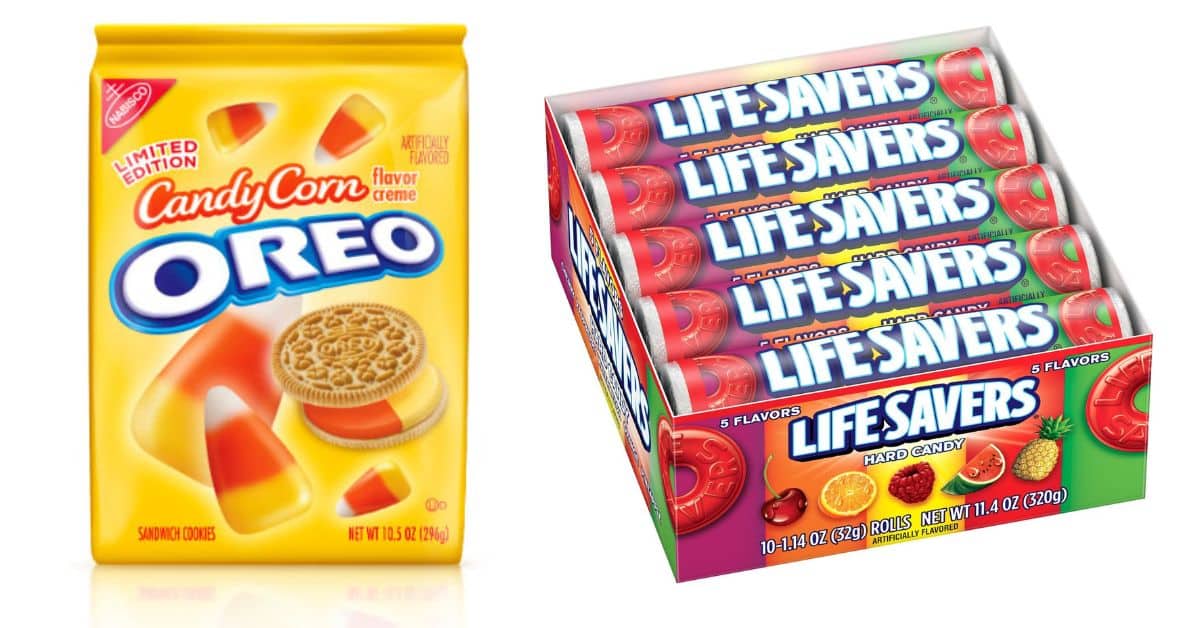
Candy Corn Oreos were a limited edition of Oreo cookies. They were released by Nabisco in 2012 as a Halloween-themed sweet. The cookies consisted of golden Oreo wafers with yellow and orange-colored cream filling to resemble candy corn. The goal of this special release was to merge two popular seasonal treats into one iconic product.
Back then, Oreo had a reputation for experimenting with unusual flavors, and the product immediately sparked widespread curiosity in the candy industry. It was almost the same pattern as immediate curiosity about unfamiliar entertainment trends or online games on new sites like Vulkanvegas casino, where people try their luck to see what the hype is about. This way, Candy Corn Oreos became an experiment for social media users eager to try the new flavor.
Considering the cookies had a very distinctive taste, people either loved them or hated them. After the curiosity faded out, very few people would buy these Oreos, so the creators realized there was no point in producing this flavor.
2. Butterfinger BB’s

Butterfinger BB’s were created by Nestlé in 1992. They were the smaller bite-sized versions of the original classic Butterfinger candy bars. The sweets consisted of tiny chocolate balls filled with a crunchy peanut butter center, which was the same flavoring that made the original bars famous.
Quick Quiz
Which Of These Is The Oldest Candy?
The candy quickly became popular. Mostly because of the marketing campaign that featured Bart Simpson from The Simpsons. This helped make Butterfinger BB’s seem fun, exciting, and rebellious. Butterfinger BB’s were also easier to share as a snack, would fit in lunch boxes, and, overall, were more convenient. However, manufacturing smaller candy was more difficult than standard-sized bars. Also, many users felt like the ratio of chocolate and peanut butter was not exactly right, as the sweetness tasted slightly different from the original bars. Plus, with these smaller candies, Butterfinger had to compete with other similar brands on the market. By 2006, Butterfinger BBs stopped existing. Still, it remains one of the discontinued candies that are remembered positively.
3. Wonka Chocolate Bars
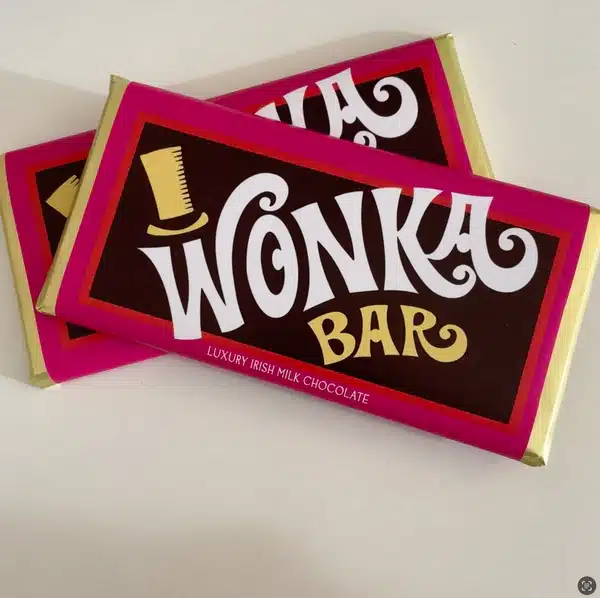
Wonka Chocolate Bars were definitely a unique candy, considering they were tied directly to one of the kids’ most beloved stories, Charlie and the Chocolate Factory. This particular bar was inspired by the candy bars from the story, created by the fictional character, Willy Wonka. The idea seemed like a guaranteed success, as everyone who read the books and watched film adaptations was dreaming of tasting this chocolate in real life. Therefore, the bars received instant recognition from society.
Many customers, especially children, were excited to try this chocolate initially, but in the end, it couldn’t meet people’s high expectations. The candy itself wasn’t necessarily bad, but it didn’t seem as good as people had already imagined. In addition, along with the ownership changes, licensing issues, and shifting marketing priorities, Wonka Chocolate Bars were cancelled, but some Wonka-brand candies survived.
4. Life Savers Holes
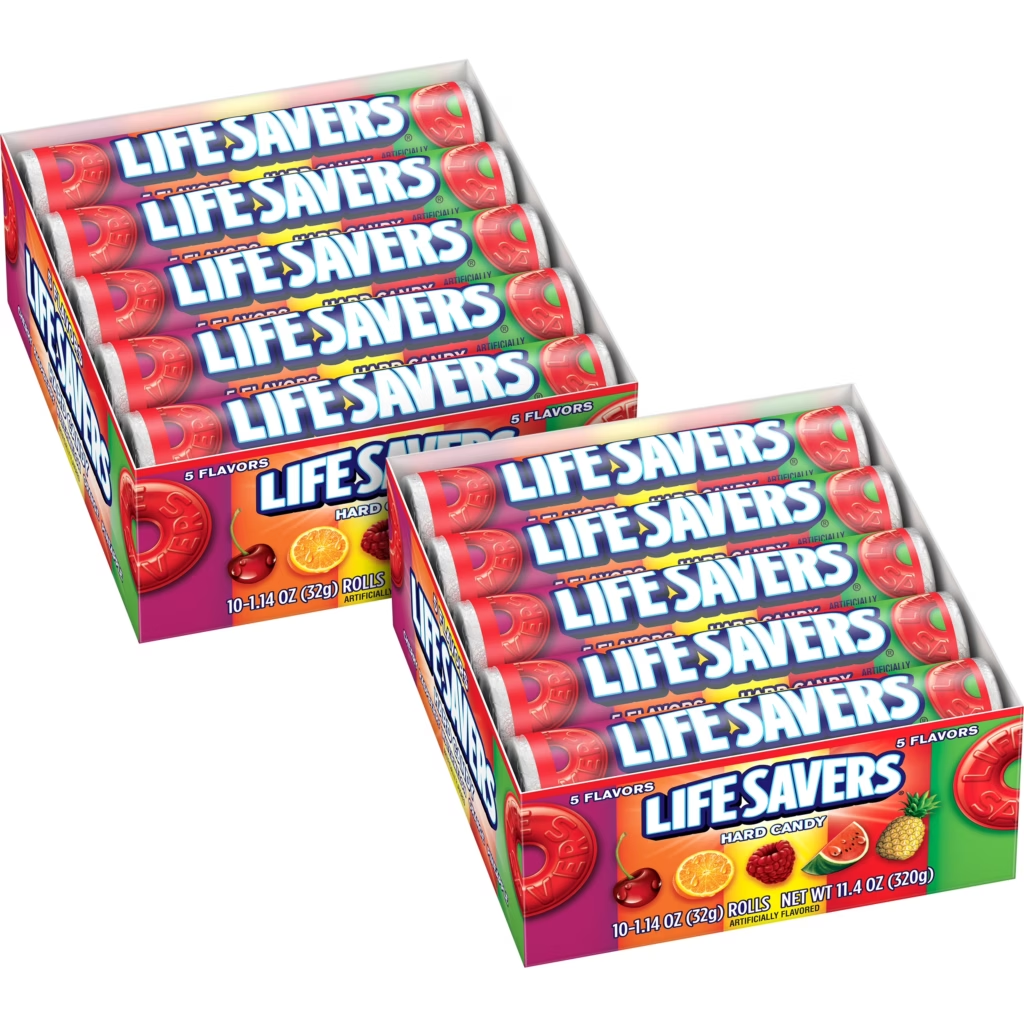
Life Savers Holes were introduced in the 1990s by Life Savers Candy and are known to be one of the strangest candy launches ever attempted. They were tiny candy pieces made from the “center” of the original candy. The concept sounded clever considering Life Savers candies have holes in the center, so customers could enjoy trying the “missing pieces.”
At first, the idea seemed clever. Candy lovers understood the joke, and the product attracted attention because it felt playful and unusual. However, the problem was that this snack wasn’t exactly anything new. It didn’t have better flavor, value, or convenience, and only offered whatever the original candy already did. As a result, Life Savers Holes became a one-time experience for customers instead of a new favorite.
5. Chicken Dinner Candy Bar

It might seem a bit unusual to encounter Chicken Dinner among candy brands that failed, as it doesn’t sound anything like candy. However, if you’re a candy enthusiast who remembers old school snacks, chances are that the Chicken Dinner Candy Bar at least gives you a nostalgic feeling.
Despite the name, Chicken Dinner Candy Bar didn’t contain chicken at all. This candy bar was just a chocolate-covered nut roll that was produced by the Sperry Candy Company. While branding is a bit strange from today’s perspective, back then, “chicken dinner” was mostly associated with comfort and satisfaction, which is why the company used the name, and surprisingly, the idea worked for some time.
The Chicken Dinner candy bar indeed was one of the most influential candy bars of all time. Nevertheless, after four decades of successful production, it was discontinued after Sperry Candy Company was sold to Pearson’s in 1962. Because of its strange name, Chicken Dinner remains a memorable candy failure.
Bottom Line
Although the history of sweets is full of flavor experiments, not all of them were meant to succeed. As you can see, even the most creative ideas can fail if not marketed and delivered correctly, and wrong promotion can lead good tastes to disappear. These 5 candy brands entered our lives with unique concepts and high expectations, and despite the fact that some people genuinely liked them, others didn’t see the point of becoming fans. Either way, they are still remembered as fun and creative attempts in candy history.
Frequently Asked Questions about Biggest Candy Failures
Why did Candy Corn Oreos fail?
Candy Corn Oreos were a limited edition Halloween release in 2012 that sparked widespread curiosity but deeply divided consumers. People either loved or hated the distinctive taste, and once the initial curiosity faded, very few continued buying them, making further production pointless.
What made Butterfinger BB's popular at first?
Butterfinger BB's gained quick popularity largely due to a marketing campaign featuring Bart Simpson from The Simpsons, which made them feel fun and rebellious. They were also more convenient than standard bars, fitting easily into lunch boxes and being simple to share.
Why did Wonka Chocolate Bars fail despite their famous name?
Wonka Chocolate Bars suffered from unrealistically high expectations, as fans of Charlie and the Chocolate Factory had already imagined a near-magical product. While the candy itself wasn't bad, it simply couldn't live up to the fantasy, and licensing issues and ownership changes eventually led to its cancellation.
What was the concept behind Life Savers Holes?
Life Savers Holes were tiny candy pieces marketed as the 'missing centers' punched out from classic Life Savers candies, playing on a clever and playful joke. However, they offered no new flavor, convenience, or value over the original candy, making them a one-time novelty rather than a lasting product.
Why is the Chicken Dinner Candy Bar considered a candy failure?
The Chicken Dinner Candy Bar is unusual among candy failures largely because its name sounds nothing like a traditional candy, making it a confusing product for consumers. Despite being remembered nostalgically by candy enthusiasts, it ultimately failed to maintain a lasting presence in the market.


Related Posts
Pink Candy: History, Brands & Flavors
Please leave a review or any memories of this snack in the comments at the end of this post. Snack History Nostalgia Rating: ⭐⭐⭐⭐☆…
Read more
Junior Mints: History, Packaging & Varieties
Please leave a review or any memories of this snack in the comments at the end of this post. Snack History Nostalgia Rating: ⭐⭐⭐⭐☆…
Read more
Candy: History, Nutrition & Facts
Please leave a review or any memories of this snack in the comments at the end of this post. Snack History Nostalgia Rating: ⭐⭐⭐☆☆…
Read more