

Wrigley’s Gum: History, Facts & Trivia
Please leave a review or any memories of this snack in the comments at the end of this post.
Snack History Nostalgia Rating: ⭐⭐⭐⭐⭐
There are many gum products that are still sold in the US that were not actually intended to become a big hit. Wrigley’s gum was actually never intended to be the main product that was made by the company. In fact, this gum was originally intended to just be added to product packaging as a thank-you for buying soap or baking powder.
When the gum products that were being offered as little tokens of appreciation began to be in more demand than the actual soap and baking powder the Wrigley Company was making, it became clear it was time to change course. Today, it’s hard to imagine that anyone has not enjoyed Wrigley’s Gum at one time or another. This product has been one of the most popular and enduring gum products that is sold in the US today.
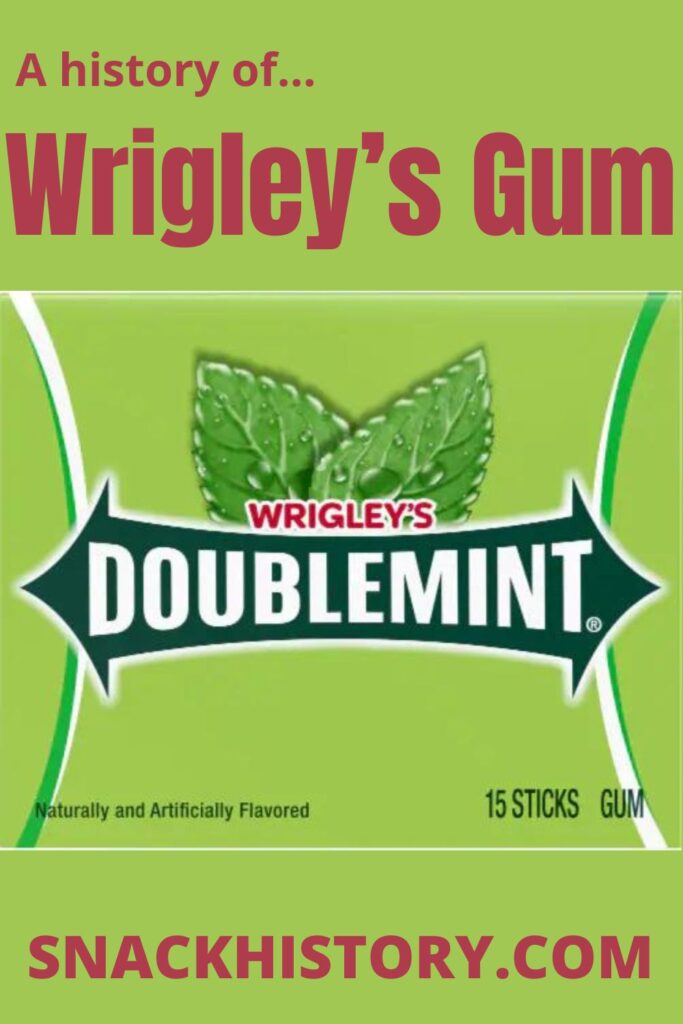
| Wrigley's Gum | Facts |
|---|---|
| Introduced | 1891 |
| Manufacturer | Wm. Wrigley Jr. Company |
| Candy Type | Chewing Gum |
| Original Flavors | Chicle-based gum (later Spearmint, Doublemint, Juicy Fruit) |
| Still Available | Yes |
| Country of Origin | United States |
| Parent Company | Mars, Incorporated (acquired 2008) |
| Current Reach | Sold in over 180 countries and districts worldwide |
History
The William Wrigley Jr company was opened in 1891. The company originally sold soap and baking powder, and each product that was sold included a small piece of chicle gum. This was the standard for chewing gums at the time, and chicle that was being brought from Latin America was just starting to become really popular with consumers.
Wrigley quickly figured out that the gum products that were included in each of their soap and baking soda packages were more popular than the products that were being sold with them. The shift to making gum was an easy decision and one which the company embraced. Gum products were being marketed during this period as medicine and were thought to help with mental stress and “nervous” stomachs. This medicinal usage made gum a really popular product and one that was considered to be an essential rather than something that you could live without.
In the 60s, Wrigley’s changed to synthetic rubber to make the gum they were selling more in keeping with the times and with consumer demand. The company also moved out of some of its older buildings and spent some money buying Life Savers and Altoids from Kraft. Later on, Mars, Incorporated bought the brand, and they continue to manage it today.
Wrigley’s has actually always been upheld as an example of an industry that made the conversion to modern working standards without taking complete advantage of the employees making their products. Wrigley’s actually converted to a five-day work week, and they were one of the first companies to offer employee benefits. The Depression was a terrible time for many companies, but Wrigley’s managed to survive this chapter of American history with more grace than many other businesses, largely due to the care they took of their employees.
One of the reasons that Wrigley’s gum became so well-known in the 1930s was because Philip Wrigley actually bought the Chicago Cubs and used the team’s sports events as a means to cement public awareness of the gum products his family sold. Gum was changing from medicine to something that you might chew just for fun during this decade. The Wrigley brand was poised to take advantage of the new popular demand for gum that people of all ages enjoyed chewing for fun.
Wrigley’s became closely connected with baseball, and for many years, this was one of the main ways that the brand advertised itself. Because the players were also given sticks of Wrigley’s to chew, it was common to see players chawing away on their gum while they waited to step up to bat or waited to catch a ball in the outfield. This connection between baseball and gum has lasted until the modern era, and early marketing ploys like this are a big reason for this connection.
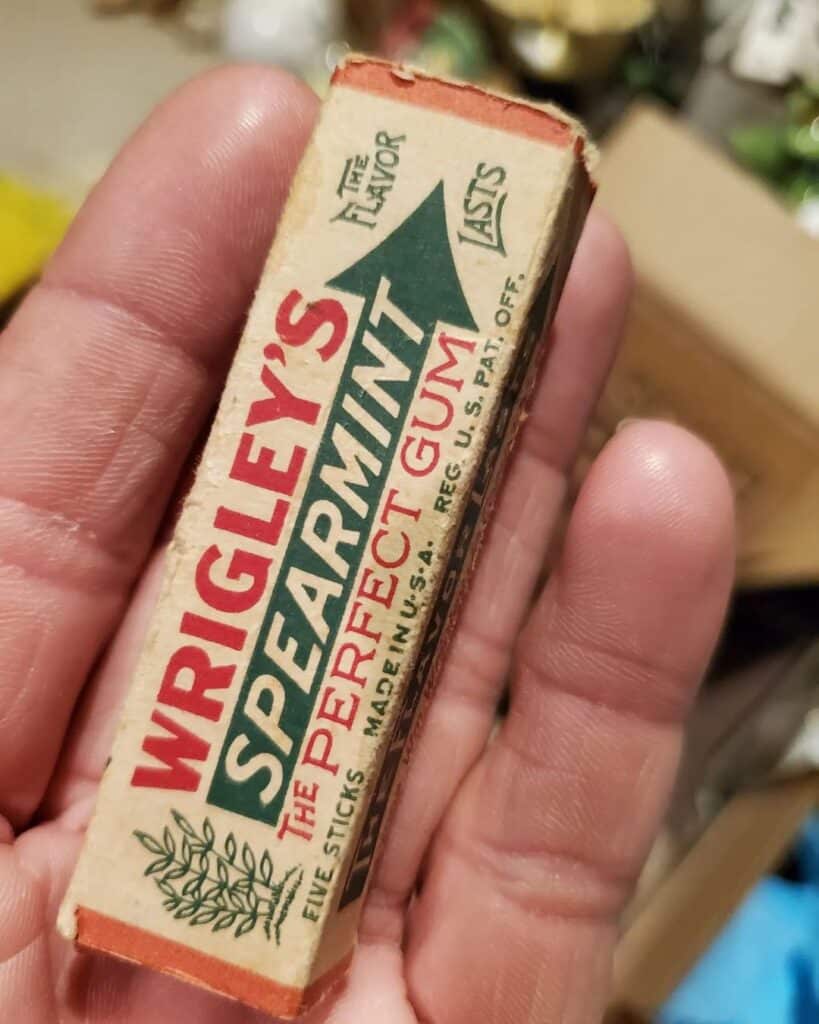
Wrigley’s was promoted during this period with slogans like, “The Flavor Lasts”. The flavor of the gum was always a focal point, and the breath-freshening nature of this gum was lauded by everyone who loved chewing it. Another common slogan was, “The Perfect Gum,” which might have truly seemed to be the case during this period of the product’s history. Wrigley’s was one of the first gum products to convert to sticks of gum instead of the small, square chicle-type gum most companies were still selling. Combine this improved shape with a good flavor and a good price, and you have a product that is likely to cement its popularity across the US.
During WWII, the Wrigley family dedicated all of their production of gum to the US Armed Forces. The “Remember this Wrapper” campaign was launched to keep Wrigley in the minds of those at home during wartime rationing. While many companies contributed to the war effort by sending products overseas and fundraising at home, few businesses dedicated every factory and produced products to the war effort.
Quick Quiz
Which Of These Is The Oldest Candy?
Taking a page from the book of steps taken to keep the Wrigley brand alive during the Depression, the Wrigley family used WWII as a time to help cement the company’s relevance to consumers all across the US. Patriotism was beneficial for everyone during this period, not least of which for the companies that stepped p and produced products for the troops overseas.
Today, Wrigley’s gum is still very popular. There are multiple varieties to enjoy, and the company has leaned into the shareable nature of their gum products. The current slogan for the brand is, “You can never have too many friends,” and most of the ads should people sharing Wrigley’s and having fun together. This is a classic, delightful gum that you can enjoy chewing without feeling bad about exposing your teeth to lots of sugars and sweeteners.
The company also makes a lot of candy products beyond Life Savers. This is part of why the company was such a good fit for the Mars Incorporated company. While Wrigley’s might be one of the most popular gum brands around, Life Savers are undoubtedly one of the most popular hard candies. These classic candy and gum products continue to be very popular today, and most people still prefer these traditional choices over newer gum and candy products.
Wrigley's Gum Timeline
- 1891 —
- 1891 — Chicle gum included free with soap and baking powder purchases
- 1893 — Wrigley's Juicy Fruit and Spearmint gum brands officially launched
- 1930s — Philip Wrigley purchases Chicago Cubs to boost brand visibility
- 1930s — Wrigley converts to five-day work week and offers employee benefits
- 1941 — Entire gum production dedicated to US Armed Forces during WWII
- 1941 — 'Remember this Wrapper' campaign launched for American consumers at home
- 1960s — Wrigley's switches from chicle to synthetic rubber for gum production
- 1960s — Company purchases Life Savers and Altoids brands from Kraft
- 2008 — Mars, Incorporated acquires Wrigley's, managing the brand today
Wrigley's Gum vs Bazooka Bubble Gum
| Feature | Wrigley's Gum | Bazooka Bubble Gum |
|---|---|---|
| Introduced | 1891 | 1947 |
| Manufacturer | Wm. Wrigley Jr. Company (Mars) | Topps Company |
| Gum Type | Stick chewing gum | Square bubble gum |
| Flavors | Spearmint, Doublemint, Juicy Fruit and more | Original, grape, watermelon |
| Price Range | Budget-friendly, widely accessible | Budget-friendly, penny candy roots |
| Availability | Worldwide, 180+ countries | Primarily US and select international markets |
| Cultural Legacy | Baseball, WWII, iconic slogans | Comic strips, bubble blowing, nostalgia |
Logo
Ingredients:
This gum product has a very simple list of ingredients, making it one of the most trusted gum brands out there today. So many gum products are full of dyes and other chemicals that people want to avoid ingesting. Wrigley’s is using much the same recipe as they used to create the very first gum products they ever made.
From the HEB listing for Wrigley’s Spearmint Gum:
- Sugar
- Gum Base
- Dextrose
- Corn Syrup
- Less than 2% of: Natural and Artificial Flavors, Glycerol, Soy Lecithin, Aspartame, Acesulfame K, Colors (Yellow 5 Lake, Blue 1 Lake), BHT (to Maintain Freshness)
The company notes that this product contains phenylketonurics and phenylalanine.
Nutrition
| Serving Size: | 1 stick (2.7g) | % Daily Value* |
| Amount Per Serving | ||
| Calories | 10 | |
| Calories from Fat | 0 | |
| Total Fat | 0g | 0% |
| Sodium | 0mg | 0% |
| Total Carbohydrates | 2g | 1% |
| Sugars | 2g | |
| Protein | 0g | |
| Vitamin A | 0% | |
| Vitamin C | 0% | |
| Calcium | 0% |
- Percent Daily Values are based on a 2000-calorie diet.
Flavors
The company originally only made spearmint gum. Over time, more flavors and varieties were added to the lineup of company products.
- Doublemint
- Spearmint
- Airwaves – Sugar-free
- Hubba Bubba
- Juicy Fruit
- Extra
Wrigley’s also makes lots of other products. However, they have kept their gum product line simple and straightforward, which is keeping in with the original way that the Wrigley’s gum products were made to be enjoyed.
Wrigley’s Gum Livery
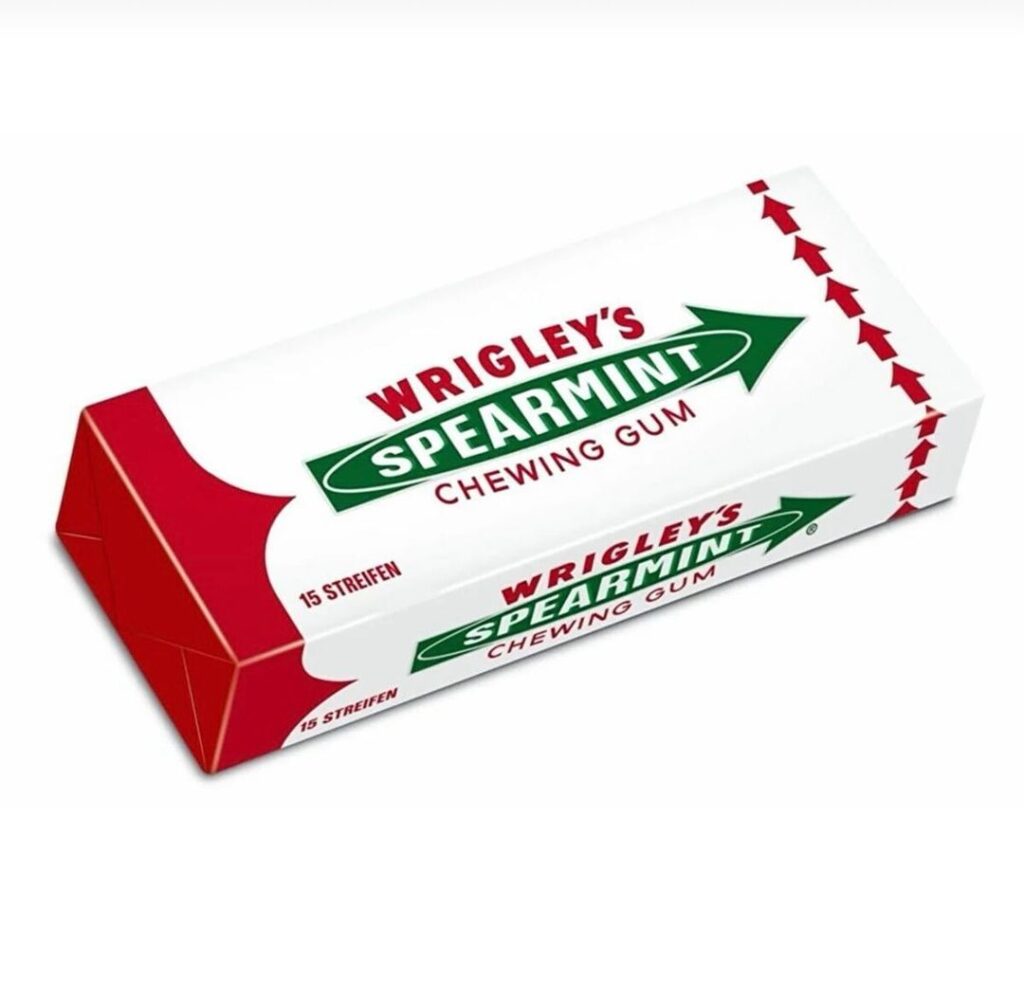
Wrigley’s gum products are currently packaged in much the same kinds of wrappers as they were in the late 30s. The spearmint product used to be encased in a white wrapper with the Wrigley’s logo in block letters in the middle. The current slogan for the gum product was usually emblazoned on the side or the back of the pack.
Today, most of the original livery is still in use. The only difference is that the carton-like characters that used to advertise the gum packs are gone, and there is less white space on all of the various different packages. The Spearmint Gum, for example, simply states that the flavor is spearmint in large letters on top of the Wrigley’s arrow-like logo design. Wrigley’s is stated at the top in simple, red lettering, and there is a drawing of a spearmint behind the logo.
Pictures
Commercials
The company is old enough that Wrigley’s was only advertised in print ads for years. Most of the ads focused on reasons that you should chew the gum for fun as well as for your health. You can clearly see the way that gum was transitioning from being medical in nature to being something that was enjoyed for fun when you look at these ads.
The earliest ads for Wrigley’s usually listed the “3 Reasons Why!” you should chew Wrigley’s. The reasons included the long-lasting flavor, the fact that the gum would “make your teeth feel clean” and that the gum was good for your teeth and your digestion. As more flavors were added to the lineup, the number of flavors of gum was also listed at the bottom right corner of the ads.
A compilation of older ads:
Another classic ad:
A doublemint ad made in the famous style with twins:
A much newer Wrigley’s ad:
Frequently Asked Questions about Wrigley's Gum
How did Wrigley's gum get its start?
Wrigley's gum began as a free bonus item included with purchases of soap and baking powder sold by the William Wrigley Jr. Company, founded in 1891. The gum quickly became more popular than the actual products being sold, prompting the company to shift its focus entirely to gum production.
What was gum originally marketed as in the early days of Wrigley's?
In the early years of Wrigley's, chewing gum was widely marketed as a medicinal product believed to help with mental stress and nervous stomachs. This gave gum a reputation as an essential item rather than a luxury or treat, helping to drive strong consumer demand.
What did Wrigley's do during World War II?
During WWII, the Wrigley family dedicated their entire gum production to the US Armed Forces, sending all factory output overseas to troops. To maintain brand awareness at home during rationing, they launched the famous 'Remember this Wrapper' campaign, keeping Wrigley's in the minds of American consumers.
How did baseball help make Wrigley's gum famous?
Philip Wrigley purchased the Chicago Cubs in the 1930s and used the team's games as a powerful marketing platform for Wrigley's gum. Players were given sticks of Wrigley's to chew during games, making the brand highly visible to fans and cementing a lasting cultural connection between baseball and chewing gum.
What made Wrigley's stand out from other gum brands of its era?
Wrigley's was one of the first gum companies to sell gum in stick form rather than the small square chicle-type pieces most competitors were offering. Combined with strong flavor, an affordable price, memorable slogans like 'The Flavor Lasts' and 'The Perfect Gum,' and innovative marketing through baseball, Wrigley's quickly built nationwide popularity.


Related Posts
Milkshake Candy Bar: History, Origin & Trivia
Please leave a review or any memories of this snack in the comments at the end of this post. Snack History Nostalgia Rating: ⭐⭐⭐⭐⭐…
Read more
Corn Pops: History, Ingredients & Nutrition
Please leave a review or any memories of this snack in the comments at the end of this post. Snack History Nostalgia Rating: ⭐⭐⭐⭐☆…
Read more
Canadian Chocolate Bars: History, Flavors & Ingredients
Please leave a review or any memories of this snack in the comments at the end of this post. Snack History Nostalgia Rating: ⭐⭐⭐⭐☆…
Read more