

Chocolate: History, Facts & Nutrition
Please leave a review or any memories of this snack in the comments at the end of this post.
Snack History Nostalgia Rating: ⭐⭐⭐⭐⭐
If you are a chocolate fan, you already know how many functions these sweets fill in our lives, and the greatest thing is that there’s never a bad time to indulge. In order to produce chocolate, manufacturers roast, crack, and winnow cocoa beans. Therefore, creating chocolate isn’t as easy as it might seem at a first glance.
Although chocolate is a widely used food, how much do we really know about it? The world of chocolate is genuinely fascinating. So, guess what? We can’t wait to share intriguing facts about chocolate with you!
| Chocolate | Facts |
|---|---|
| First Sweetened Chocolate | Introduced to Europeans via the Americas, popularized in Spain with honey or cane sugar |
| First Chocolate Bar | Created by J.S. Fry and Sons, British chocolatiers, in 1847 |
| Candy Type | Confectionery / Chocolate |
| Original Flavors | Bitter (unsweetened), later sweetened with honey or cane sugar |
| Country of Origin | Pre-modern Latin America (Aztec civilization); modern chocolate bar from United Kingdom |
| Key Manufacturers | Cadbury, Mars, Hershey, Nestlé, Lindt, J.S. Fry and Sons |
| Cocoa Content (Dark Chocolate) | Approximately 70% cocoa |
| Still Available | Yes, widely available worldwide in numerous forms |
Fascinating History of Chocolate
Chocolate Timeline
- Pre-1500s — Cacao beans used as currency in pre-modern Latin America
- Early 1500s — Montezuma hosts Hernando Cortes with chocolate drinking banquet
- 1500s — Chocolate sweetened with honey or sugar, gains popularity in Spain
- 1847 — J.S. Fry and Sons creates the first chocolate bar
- 1876 — Daniel Peter adds dried milk powder, inventing milk chocolate
- 1879 — Rudolf Lindt invents the chocolate conche machine for smooth texture
- 1894 — Milton S. Hershey founds the Hershey Chocolate Company in Pennsylvania
- Late 1800s–Early 1900s — Cadbury, Mars, and Hershey begin mass manufacturing chocolate confections
Chocolate vs Cadbury Dairy Milk
| Feature | Chocolate | Cadbury Dairy Milk |
|---|---|---|
| Introduced | 1847 (first chocolate bar by J.S. Fry and Sons) | 1905 (Cadbury Dairy Milk) |
| Manufacturer | Various: Hershey, Mars, Nestlé, Lindt | Cadbury (Mondelez International) |
| Texture | Smooth, melt-in-mouth (post-conche machine, 1879) | Smooth, creamy milk chocolate |
| Flavors | Dark, milk, white, and numerous variations | Milk chocolate, fruit & nut, caramel, and others |
| Availability | Worldwide, widely available | Worldwide, widely available |
| Calories | Approximately 150–170 per 1 oz serving (dark chocolate) | Approximately 170 per 1 oz serving |
| Country of Origin | Latin America (ancient); UK (modern bar) | United Kingdom |
First Sweetened Chocolate
Let’s start our list of facts about chocolate with how it first appeared and who invented it. It wasn’t until Europeans explored the Americas and tried the local food that sweetened chocolate made its appearance. According to legend, the Aztec monarch Montezuma celebrated the arrival of the Spanish adventurer, Hernando Cortes, with a banquet that featured chocolate drinking after mistakenly believing him to be a reborn divinity rather than an invading conqueror.
At first, the foreigners’ palates didn’t agree with chocolate. One even wrote in his writings that it was “a bitter drink for pigs,” but as soon as it was combined with honey or cane sugar, it swiftly gained popularity across Spain.

In Ancient Times Chocolate Was Used As A Currency
It’s difficult to pinpoint the precise moment when chocolate was created, but it is certain that it was loved from the beginning. Cacao beans were regarded as precious enough to be used as money for numerous centuries in pre-modern Latin America.
According to a 16th-century Aztec record, one bean could be exchanged for a tamale, while 100 beans could be used to buy a decent turkey hen.
Creation Of The First Chocolate Bar
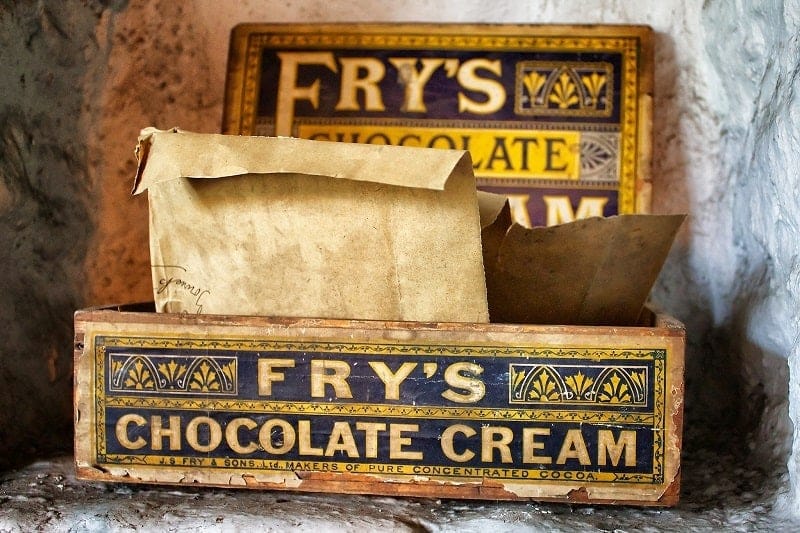
For the majority of the 19th century, milk was frequently substituted for water when making chocolate beverages. The first chocolate bar was developed by British chocolatier J.S. Fry and Sons in 1847. It was formed from a paste composed of sugar, chocolate liquor, and cocoa butter.
In order to produce milk chocolate in 1876, Swiss chocolatier Daniel Peter is typically credited with adding dried milk powder to chocolate. However, it wasn’t until a number of years later that he teamed up with his friend Henri Nestlé. Together, they founded the Nestlé Company and popularized milk chocolate.
Although chocolate had advanced significantly throughout the 19th century, it remained crumbly and challenging to eat. The chocolate conche machine, created in 1879 by another Swiss chocolatier named Rudolf Lindt, mixed and aerated chocolate to give it a smooth, melt-in-your-mouth quality that combined well with other ingredients.
To fulfill the rising demand for sweet delicacies, family-owned chocolate businesses like Cadbury, Mars, and Hershey began mass manufacturing a range of chocolate confections in the late 19th and early 20th centuries.
Quick Quiz
Which Of These Is The Oldest Candy?
Health Benefits Of Eating Chocolate
Chocolate Is a Well-Recognized Stress Reliever
One of the first facts about chocolate that we are going to discuss is its positive effect on health. They can elevate endorphin and serotonin levels in the brain. That is why chocolates are known to be relaxants, stress relievers, and aphrodisiacs.
Dark chocolate is considered healthy because it contains roughly 70% cocoa, which is rich in healthy antioxidants. High quantities of antioxidants are proven to reduce inflammation and shield our cells from oxidative stress.
Chocolate Is Good For Brain Health
According to certain studies, eating chocolate may also benefit brain health. According to a 2009 study in the Journal of Nutrition, elderly adults who frequently ate chocolate performed better on cognitive tests than those who didn’t. Furthermore, a 2012 study published in the journal Neurology indicated that regular chocolate consumption was linked to a lower risk of stroke.
So, some of the most positive facts about chocolate are the health benefits associated with chocolate consumption. It tends to concentrate on dark chocolate consumption since it has less sugar and fat than milk chocolate.
Why Do Cocoa Beans Need To Be Roasted
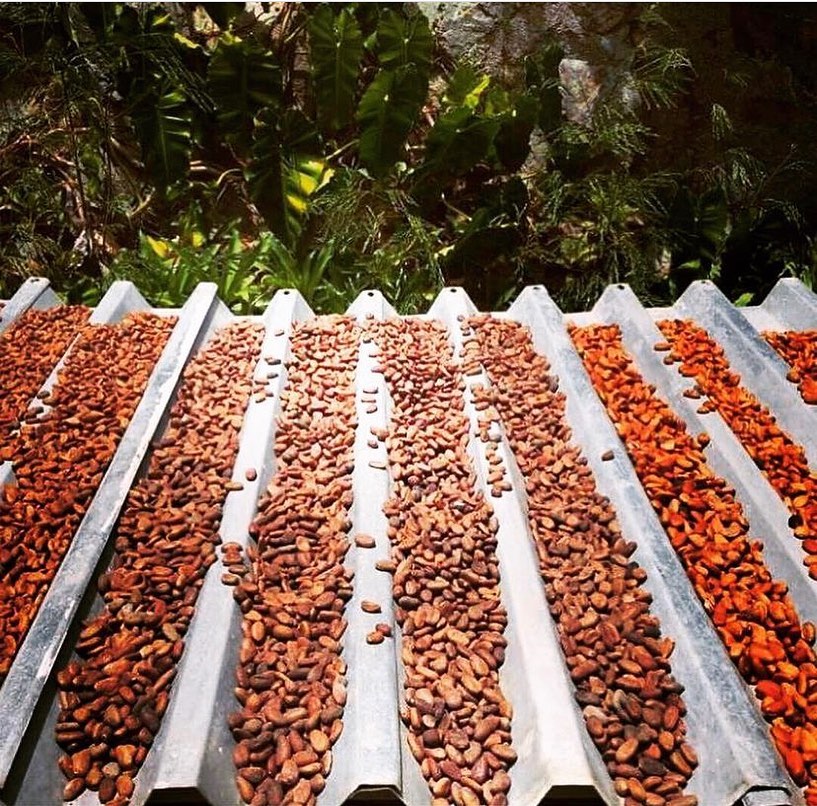
One of the most interesting facts about chocolate is that the cocoa beans have to definitely be roasted before use. There are actually several reasons for this.
1. Roasting Kills the Bacteria
Care for the facts about the chocolate manufacturing process? The cocoa beans undergo extensive fermentation before being roasted. For seven to fourteen days, piles of fermenting cocoa beans are stacked on top of one another. Bacteria and mold may build up on the beans during this period. Due to the high temperatures involved, roasting cocoa beans is a crucial stage in the manufacture of chocolate because it prevents the growth of undesirable microorganisms.
Beans are often fermented on the ground, which presents a risk of contamination from pests and biological elements. Salmonella and E. coli are stopped from spreading during roasting, which removes all-natural components.
2. Roasting Is Essential For Moisture Reduction
According to research, chocolate contains 7.5% water, so it’s crucial to keep the water content as low as possible since water and chocolate don’t mix. The amount of water in the beans is significantly reduced after roasting, which makes the grinding procedure considerably simpler. When the bean shrinks and produces a popping sound while roasting, this is a sign that it has been sufficiently roasted.
3. Roasting Contributes to Developing Flavor
The process of roasting the beans is essential for taste development. The amino acids and natural sugars found in the bean are transformed into taste compounds during roasting through a series of chemical processes.
Unroasted cocoa beans have a bitter flavor, but roasted beans have a richer, more robust flavor with less acidity. A chocolaty scent takes the place of the acidic smell that the beans acquire as a result of fermentation. All of the cocoa bean’s aromatic bouquets are unlocked during this technique.
Celebrating The Chocolate Existence
One of the strangest facts about chocolate is that people all around the world celebrate its existence by having specific celebrations. Did you know that we even celebrate World Chocolate Day? Well, this special day is usually celebrated on July 7th in honor of the day in 1550 when chocolate was supposed to have been introduced to Europe for the first time.
Whether it is celebrated on an official day or not, we do know that chocolate first reached Europe in the 16th century. International Chocolate Day is celebrated on September 13 as well as National Milk Chocolate Day on July 28th.
White Chocolate Is Not True Chocolate

Do you enjoy the delicate flavor of white chocolate? Well, then you should know this interesting fact about chocolate: white chocolate is not true chocolate in the technical sense. The reason is that it lacks cocoa solids and chocolate liquid.
White chocolates are created with dairy products such as milk or others, in addition to sugar. It may only contain less than 10% chocolate liqueur.
Chocolate Is Toxic To Dogs
Well, not all facts about chocolate are positive. One of the unfortunate facts about chocolate is that dogs can be poisoned by eating it. Although rarely deadly, eating chocolate can cause serious illness. The reason for this is theobromine, the bitter-tasting alkaloid in cocoa that’s almost similar to caffeine.
Both substances have medical applications as muscle relaxants, blood vessel dilaters, diuretics, and heart stimulants. The problem is that neither caffeine, nor theobromine is metabolized by dogs which makes them vulnerable to be affected by the toxins.
Quick Facts About Chocolate
- Though they have their roots in the Americas, most cocoa trees are now produced in Africa. In fact, up to 70% of the cocoa we need to make chocolate today comes from Africa. The Ivory Coast, which provides a staggering 30% of the world’s cocoa, has the greatest production rate.
- The cacao tree produces the cacao bean, which is the source of both milk and dark chocolate. The tree is a member of the Malvaceae evergreen family. One of the more intriguing chocolate facts is that okra and cotton are the closest living cousins of cacao in the Malvaceae plant family.
- The Aztecs adored cocoa and it’s another well-known facts about chocolate. But their drink was harsh and unsweetened. For rites and ceremonies including marriages, burials, and baptisms, hot chocolate was frequently served.
- 93°F is the melting point of chocolate. This is distinctive because no other edible material melts as close to body temperature as this does. This explains why chocolate frequently melts in our hands and why it tastes so smooth and creamy when it touches our mouths.
- Speaking of interesting facts about chocolate, more chocolate is sold at Brussels Airport in Belgium than anywhere else in the world. Every year, an astounding 800 tons of chocolate are sold there.
- The most expensive chocolate bar, according to The Guinness Book of World Records, was a 100-year-old Cadbury that went for $687.00 in 2001.
- Hershey’s is the biggest and oldest chocolate manufacturer in the country. Hershey’s, which was established in Pennsylvania in 1894, produces more than 1 billion pounds of chocolate annually. The most well-known goods produced in this plant include M&Ms, Hershey’s Kisses, and Reese’s Peanut Butter Cups.
Final Words on the Facts About Chocolate
The history of the famous confection made from cacao beans is intriguing, beginning as an acrid Aztec beverage and ending as the most widely used ingredient in sweets today. Because of its long and unique history, learning the facts about chocolate can be very entertaining. One of the wonders of the world, chocolate inspires people to go to extreme lengths in order to obtain it.
Which facts about chocolate were the most fascinating to you, and why? Share your thoughts in the comments section below.
Frequently Asked Questions about Chocolate
Who invented the first chocolate bar?
The first chocolate bar was developed by British chocolatier J.S. Fry and Sons in 1847. It was formed from a paste composed of sugar, chocolate liquor, and cocoa butter.
What are the health benefits of eating dark chocolate?
Dark chocolate contains roughly 70% cocoa, which is rich in healthy antioxidants that reduce inflammation and shield cells from oxidative stress. It can also elevate endorphin and serotonin levels, making it a recognized stress reliever.
Why do cocoa beans need to be roasted before making chocolate?
Roasting cocoa beans kills bacteria and mold that can build up during the fermentation process, which lasts seven to fourteen days. The high temperatures involved prevent the growth of undesirable microorganisms that may have formed during fermentation.
How was chocolate used in ancient civilizations?
In pre-modern Latin America, cacao beans were regarded as precious enough to be used as currency for numerous centuries. According to a 16th-century Aztec record, one bean could be exchanged for a tamale, while 100 beans could purchase a decent turkey hen.
Can eating chocolate benefit brain health?
According to a 2009 study in the Journal of Nutrition, elderly adults who frequently ate chocolate performed better on cognitive tests than those who did not. A 2012 study published in the journal Neurology also indicated that regular chocolate consumption was linked to a lower risk of stroke.


Related Posts
Ice Cream Brands: History, Flavors & Varieties
Please leave a review or any memories of this snack in the comments at the end of this post. Ice cream is a universal…
Read more
Fruit Gushers: History, Flavors & Facts
Please leave a review or any memories of this snack in the comments at the end of this post. Snack History Nostalgia Rating: ⭐⭐⭐⭐☆…
Read more
Kit Kat Bar: History, Flavors & Packaging
Please leave a review or any memories of this snack in the comments at the end of this post. Snack History Nostalgia Rating: ⭐⭐⭐⭐⭐…
Read more