

Yellow Candy: History, Flavors & Brands

The bright and cheerful color of yellow candy can instantly brighten up any candy dish or candy jar, making it a popular choice for parties, special occasions, and everyday snacking. Lemon Drops, lemon hard candies, and lemon jellybeans are just a few examples of the many lemon-flavored yellow candies available on the market.
Let’s learn more about the amazing bright yellow candy variations that have been around for generations.
| Yellow Candy | Facts |
|---|---|
| Introduced | Lemon Drops (early 19th century), LemonHeads (1962), Screaming Yellow Zonkers (1968) |
| Manufacturer | Ferrara Candy Company (LemonHeads), Lincoln Snacks (Screaming Yellow Zonkers) |
| Candy Type | Hard candy, coated popcorn, sour candy, jellybean varieties |
| Original Flavors | Lemon (primary); also apple, grape, and cherry for LemonHeads |
| Still Available | LemonHeads, Lemon Drops, Sherbet Lemon, and Sour Patch Kids; Screaming Yellow Zonkers discontinued in 2007 |
| Country of Origin | United States (most varieties); sherbet flavor originated in Persia |
| Parent Company | Ferrara Candy Company (LemonHeads); Lincoln Snacks (Screaming Yellow Zonkers, Fiddle Faddle, Poppycock) |
Yellow Candy Timeline
- 1806 — Salem Gibraltar created, considered forerunner of the lemon drop
- 1819 — Lemon Drops candy rises to popularity in early 19th century
- 1962 — LemonHead candy debuts on the American market
- 1968 — Screaming Yellow Zonkers introduced by Lincoln Snacks
- 2007 — Screaming Yellow Zonkers retired after nearly four decades
Yellow Candy vs Jolly Rancher Lemon
| Feature | Yellow Candy | Jolly Rancher Lemon |
|---|---|---|
| Texture | Hard candy with sour sugar coating or effervescent center | Hard candy, smooth and glassy |
| Introduced | LemonHeads introduced in 1962 | Jolly Rancher introduced in 1949 |
| Manufacturer | Ferrara Candy Company | The Hershey Company |
| Flavors | Lemon, apple, grape, cherry | Watermelon, cherry, green apple, lemon, blue raspberry |
| Price Range | Approximately $1–$4 per bag | Approximately $1–$4 per bag |
| Availability | Widely available in US grocery and convenience stores | Widely available nationwide in US and internationally |
| Calories | Approximately 50 calories per serving | Approximately 70 calories per serving |
8 Most Popular Yellow Candy in 2023
1. Screaming Yellow Zonkers
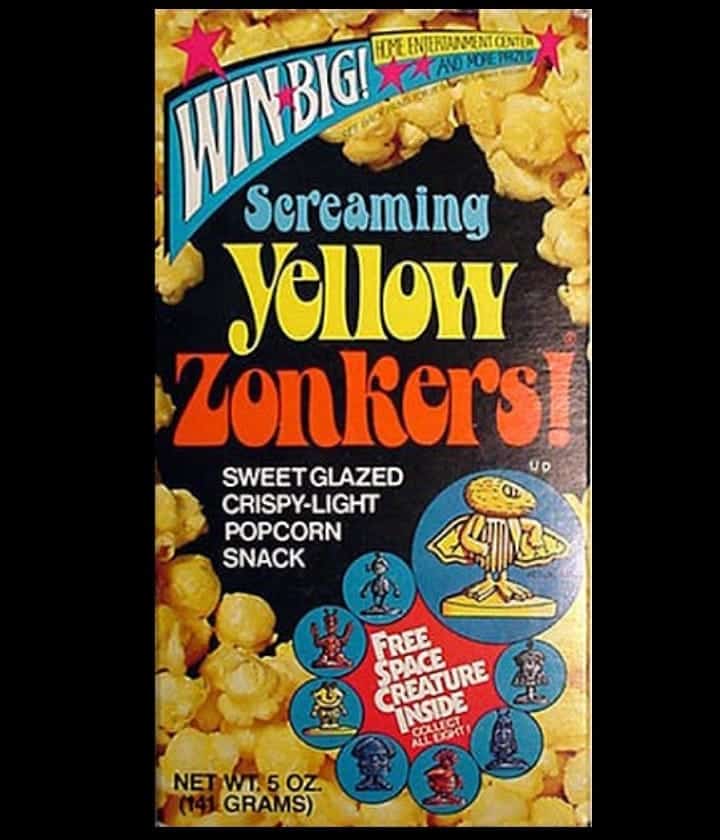
1968 saw the introduction of Screaming Yellow Zonkers, which were retired in 2007. The popcorn snack, which was coated with kosher sugar and sweetened, was created by Lincoln Snacks. The business also offered Fiddle Faddle and Poppycock varieties of popcorn.
The Screaming Yellow Zonker was created as a result of the joint efforts of executives from Lincoln Snacks and a large advertising agency. A tiny firm created the product packaging and the advertising campaign. Hurvis, Binzer & Churchill were awarded the contract, and it was they that came up with the crazy product name, the comical writing, and the black backdrop for the bags.
Packaging has always played a significant role in this yellow candy’s appeal. You may anticipate a jet-black bag with a large, eye-catching logo and perhaps images of the popcorn within. The initial content for the advertising, packaging, and TV campaigns that introduced the items was written by him and Howie Krakow.
2. Lemon Drops Candy
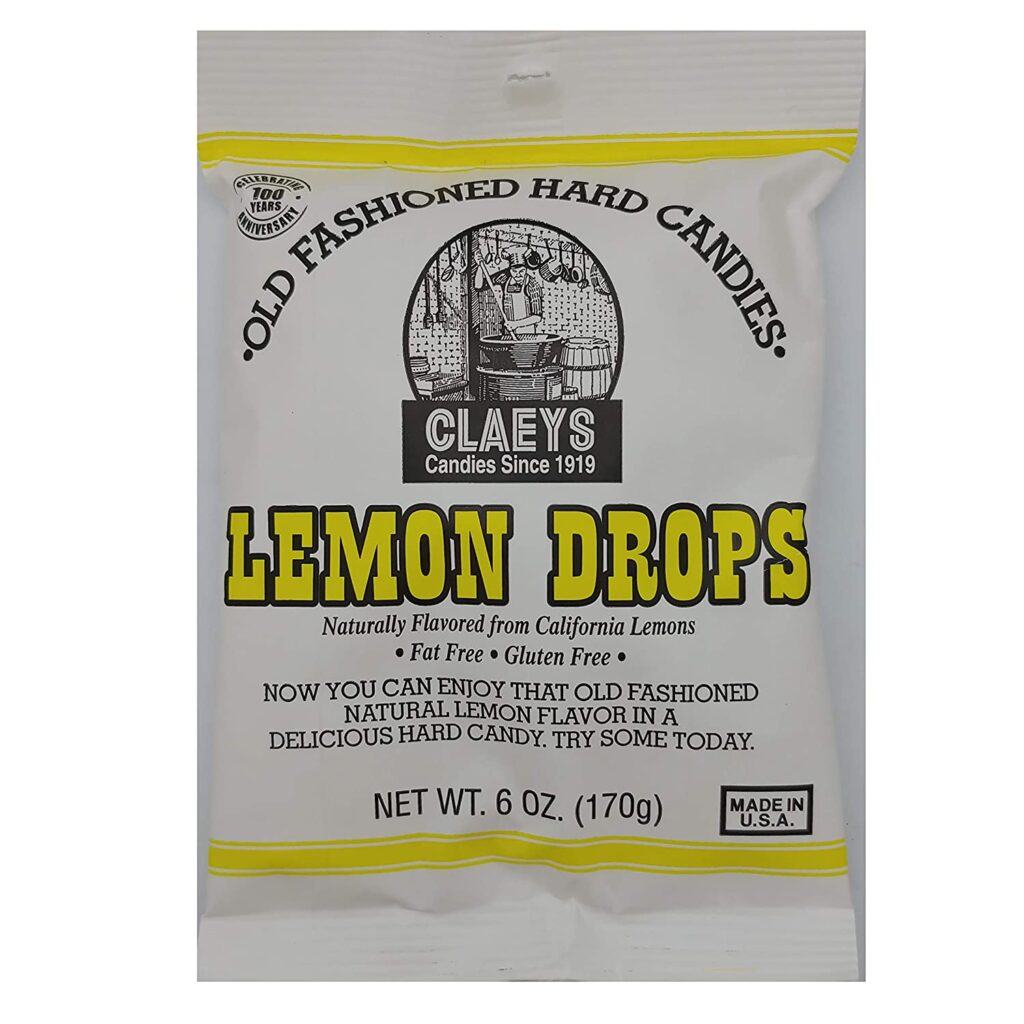
A “lemon drop” is a sweet treat with a sugar coating that tastes like lemon and is commonly shaped like a lemon. This yellow sweet has been a well-liked delicacy since the start of the 19th century. Confectioners in England found how to prevent sugar from crystallizing by heating sugar mixtures with acids like lemon juice. Lemon Drops Candy usually takes the form of little lemons.
Early in the candy’s existence, Lemon Drops were frequently purchased at nearby drug stores as a treatment to cover up disagreeable tastes. Lemon-flavored throat lozenges or cough drops are sometimes referred to as “Lemon Drops.”
In addition to being a fantastic source of vitamin C, lemons can also assist with nausea, diarrhea, and even some forms of cancer when made with actual lemon juice. An alcoholic beverage composed of lemon juice, vodka, and sugar is occasionally referred to as a “lemon drop” as well.
The Salem Gibraltar, created in 1806, is considered the forerunner of the lemon drop. Modern Lemon Drops candy, like the rest of the hard candies we are acquainted with, is a descendant of old lozenges. In the 18th century, advances in sugar technology made hard sugar mixtures possible.
3. Sherbet Lemon
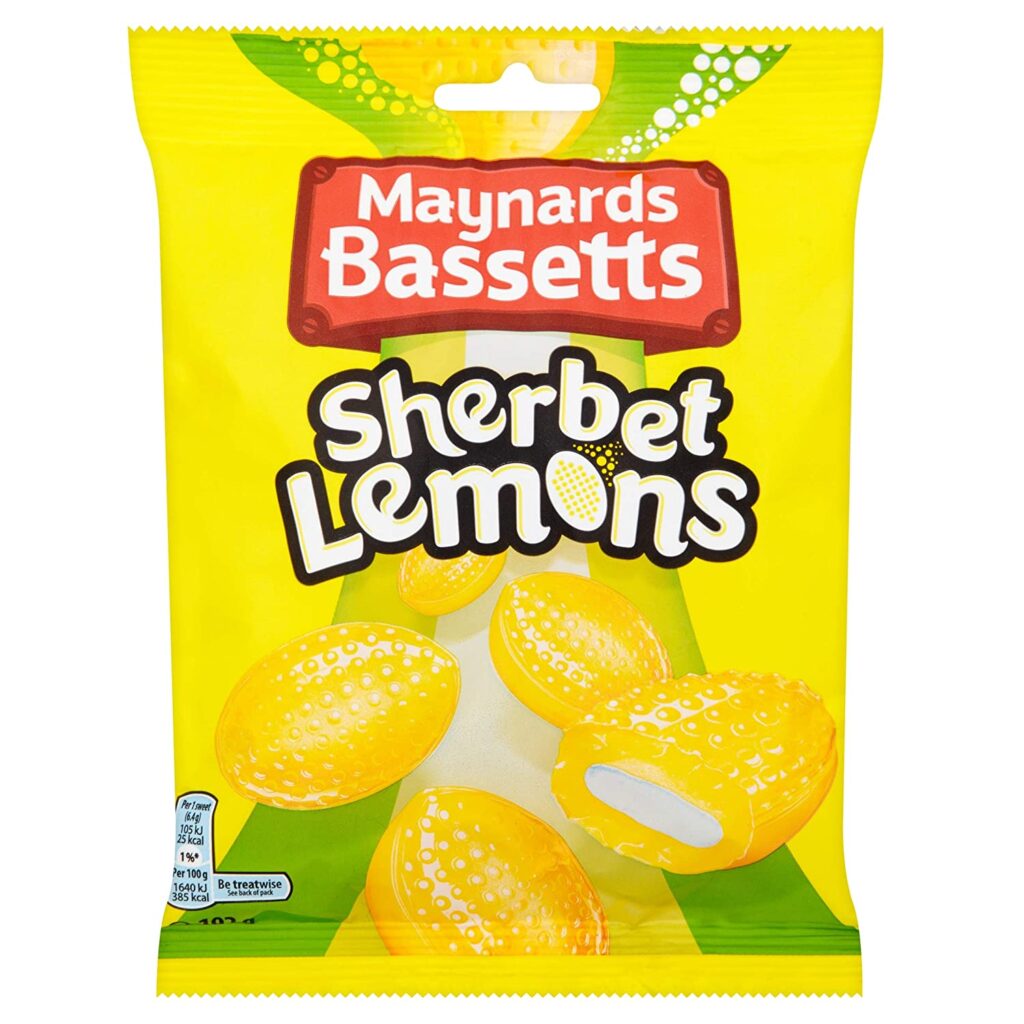
Sherbet Lemon is another popular yellow candy that has an acidic, sour flavor with a hint of sweetness. It is frequently a hard candy with a firm or soft core. To make this type of candy, sugar, water, and cream of tartar are heated until they harden into cracks. LemonHead Candy is the most well-known example of this candy in the US, but it wasn’t popular until the 1960s, a long time after the lemon drop was widely used as medicine.
The lemon flavor is infused into the candy mixture as it cools. The finished product is made by roping the candy and rolling it in sugar. The heart of traditional Sherbet Lemons is slightly effervescent, making them a favorite among people who enjoy sour candies with this sort of characteristic. Sherbet Lemons were once the only sour candy with this distinctive flavor; today, many sour candies contain this type of effervescent core.
The original home of sherbet flavor was Persia. Malts and other recipes for soda shops were flavored with sherbet powder when it was originally created. This additive made everything it was put to a little bit effervescent because soda at the time wasn’t consistently fizzy.
4. LemonHead
Bright yellow LemonHead candies have an acidic, sour, and sweet lemon flavor. In 1962, Lemonhead candy made its debut on the American market, and since then, it has grown in popularity there. This yellow candy is a product of the Ferrara Candy Company. The executive of the firm and son of the company’s founder, Nello Ferrara, is credited with popularizing LemonHead candies.
LemonHeads also come in apple, grape, and cherry flavors. Originally, Johnny Apple Treats, Alexander the Grape, and Cherry Chan were the names of the three types of LemonHead candy.
According to the manufacturer, LemonHeads have been made using the same procedures since 1962. It uses a special cold-panning technique that uses genuine lemon juice. It is also devoid of fat and gluten. The company’s motto is “Real Lemon Pucker Power,” since it contains actual lemon juice.
5. Sour Patch Kids
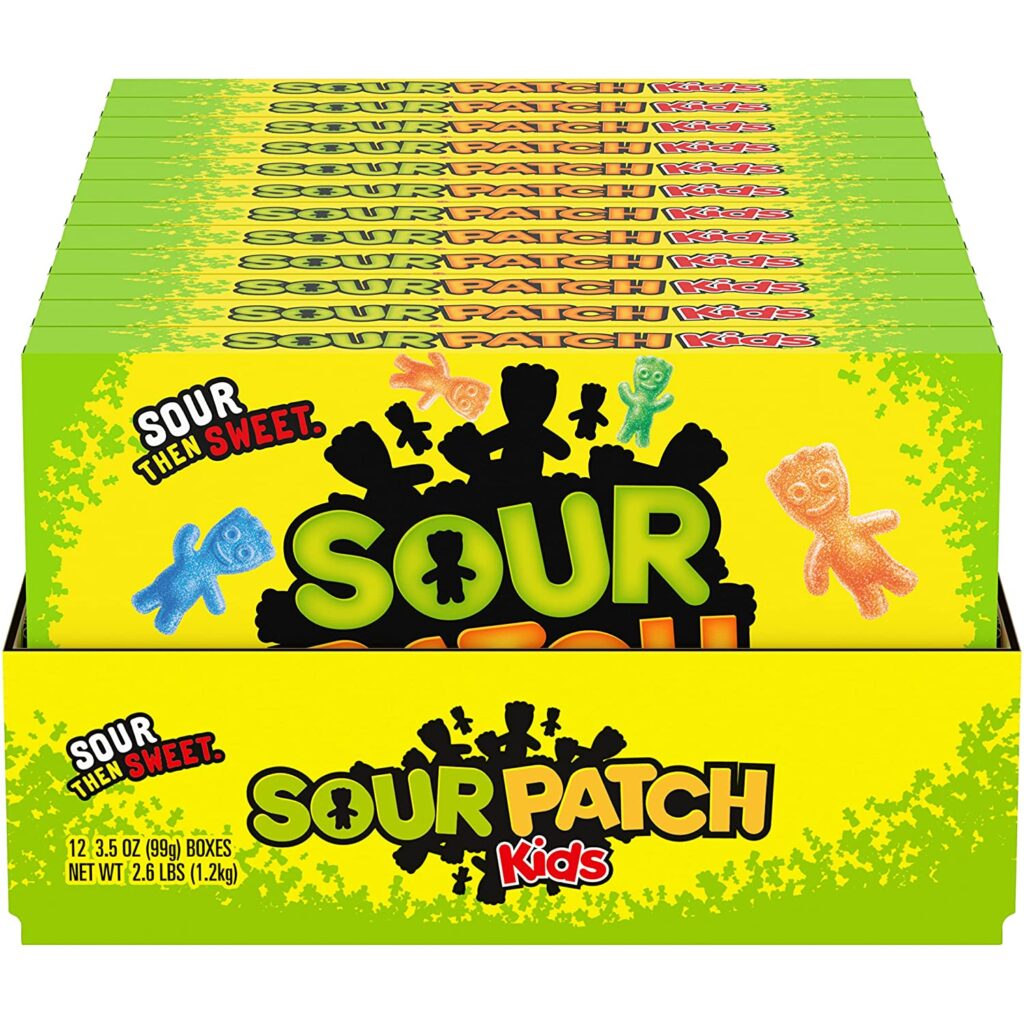
Sour Patch Kids are another delicious yellow candy on our list. This candy is covered in a coating that resembles sour sugar and is available in a range of hues and tastes. Both for its appearance and flavor, Sour Patch Kids have gained popularity and have a sizable following.
Sour Patch Kids were originally called “Mars Men” when they were initially created in the 1970s, but the name was changed to “Sour Patch Kids” in 1985. Frank Galatolie, a Canadian, created Mars Men for Jaret International at the end of the 1970s.
To create them, Cadbury and Malaco Licorice Company established the Allan Candy Company in Ontario. In 1985, it changed its name to Sour Patch Kids and began selling in American markets. The business was eventually acquired by Cadbury Adams, now part of Chicago-based Mondelez International, and it now produces Sour Patch Kids sweets.
The catchphrase “Sour. Sweet. Gone.” alludes to the candy’s sour-to-sweet flavor. The tartaric and citric acids used to make the sugar coating react with saliva on the tongue to generate a powerful sour flavor before the sweet gummy candy underneath the coating releases its sweet flavor.
6. Juicy Fruit Chewing Gum
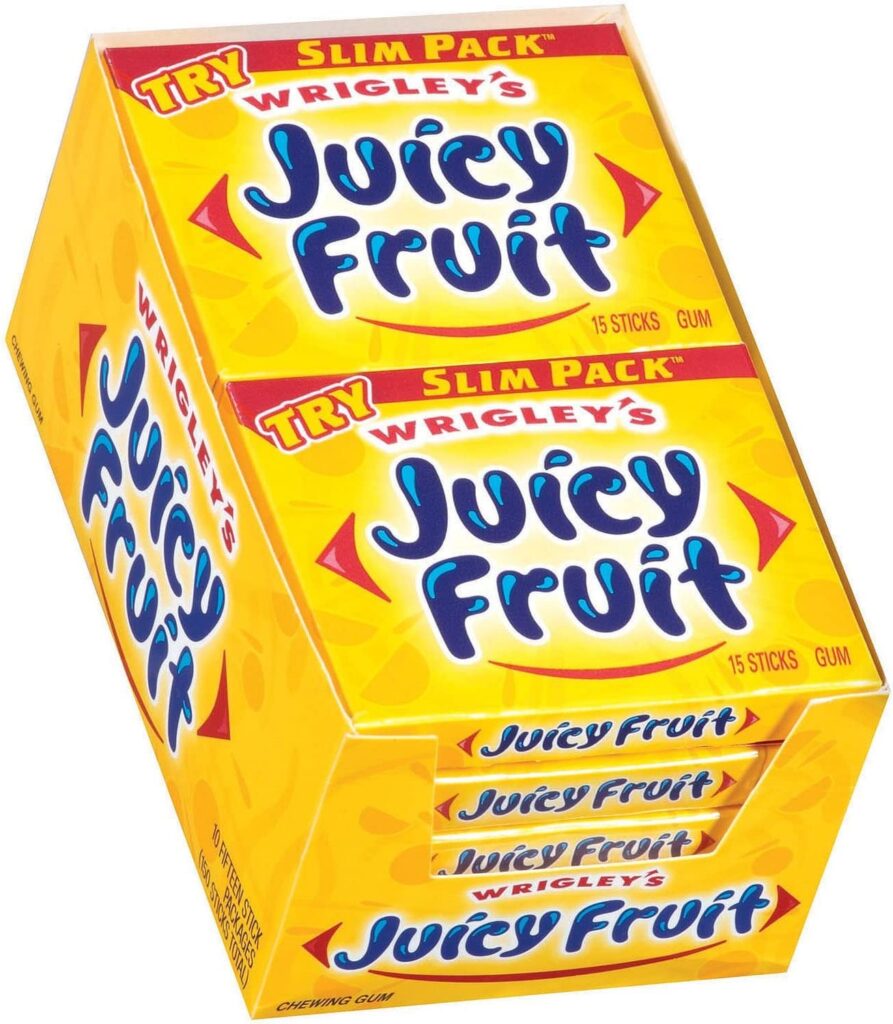
The Juicy Fruit gum was made available after William Wrigley Jr. included a few sticks of chewing gum in the bag of baking powder in 1892 in order to give his customers a free gift. Wrigley Jr. again changed his emphasis to making and marketing chewing gum since it was far more in demand than baking powder.
His first two products produced by the Wrigley Company were Lotta Gum and Vasser. In the highly competitive chewing gum industry, Wrigley utilized as much advertising as he could to get consumers to know about his gum.
Wrigley Jr. introduced the new flavor of this yellow candy in 1893, which contributed to the Wrigley Company being the most renowned and successful chewing gum producer in the world.
7. Peanut M&Ms
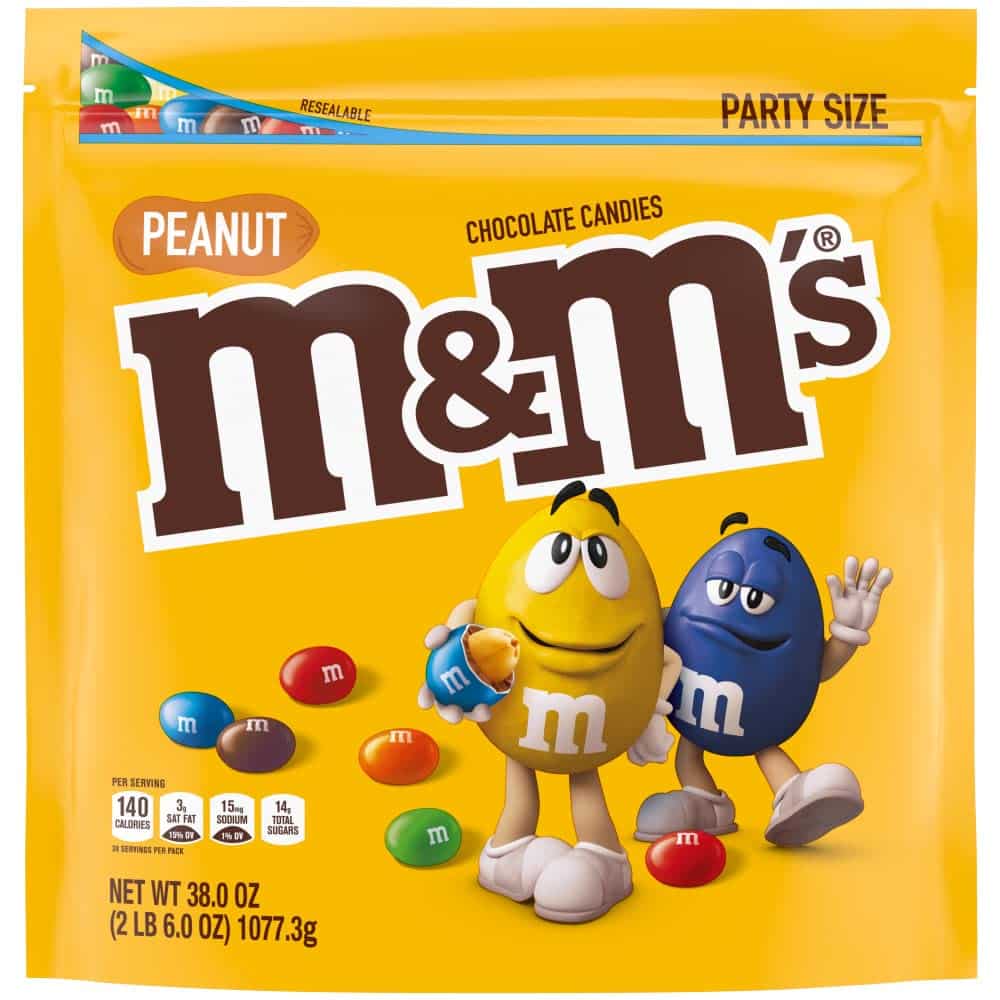
M&Ms are tiny chocolate candies enclosed in a typically colorful, hard, sugary shell. There have been significant improvements made to the flavor, texture, and branding of the M&Ms, which were formerly only available in the hues red, yellow, green, brown, orange, and violet.
The M&M style has just around 50 distinct versions as of right now. The Candy Corn White Chocolate, Jalapeno, Pumpkin Spice Latte, Crispy Pretzel, and Mint Dark flavors are some of the more intriguing ones.
In 1954, peanut M&Ms were introduced to the lineup after initially only being produced with a tan covering. Like the rest of the M&M collection, they are now multicolored. Variations in color changes: Violet was replaced by tan in 1949. The most typical variety, peanut M&Ms, has vibrant yellow candy packaging that is very eye-catching.
8. Abba Zaba
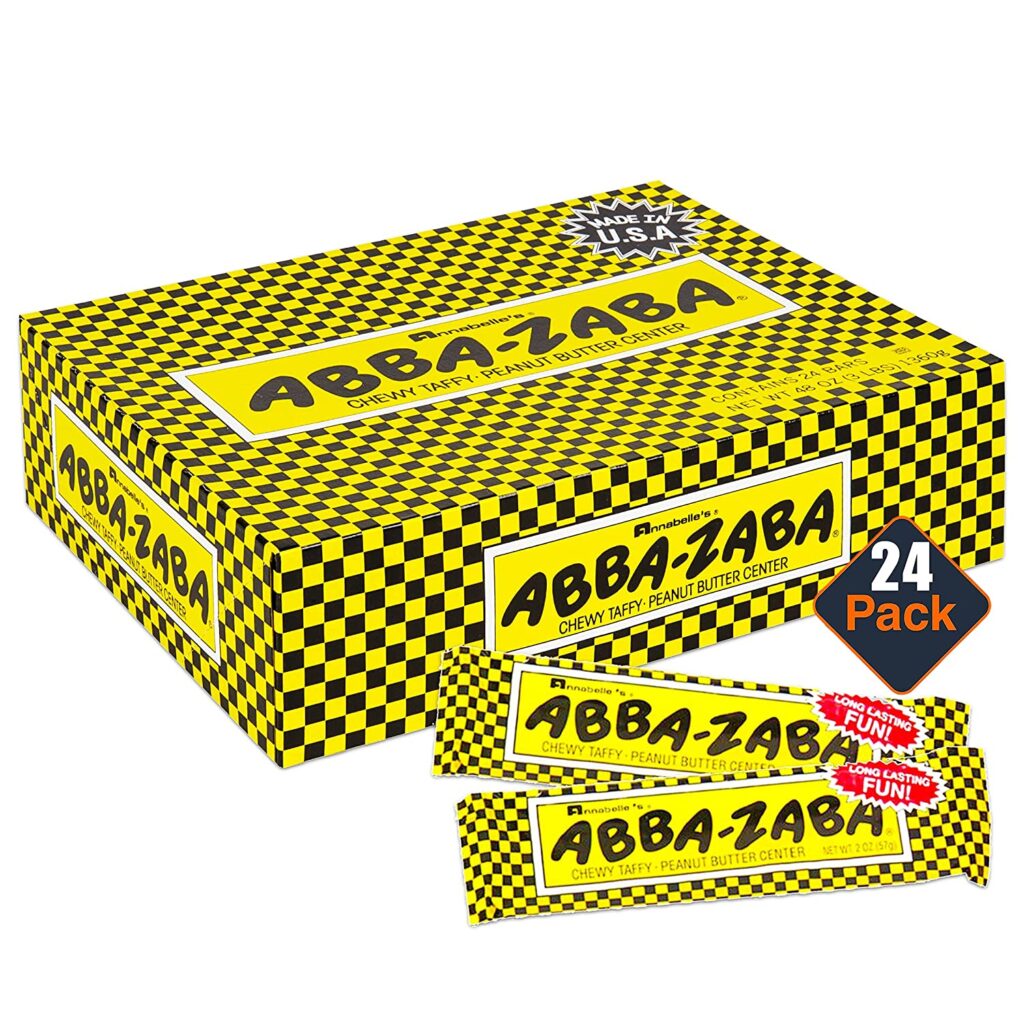
The history of Abba Zaba bars is as distinctive as their yellow candy color. Sam Altshuler, a Russian immigrant who arrived in the US in 1917 solely to sell sweets, was subsequently given this candy bar. Abba Zaba served as his inspiration as he sought to create a candy bar that was distinctive and unforgettable.
The candy bar had previously been marketed by another firm under a banner that had dubious racial iconography, so this was a revival of it. Sam Altshuler no longer discusses the history of candy bars. Instead, references are made to the 1950s, when Colby and McDermott, the company’s then-owners, changed the way they marketed their products.
Abba Zaba Bar was not acquired by the Annabelle Candy Company until 1978. Cabinet Candy Co. and U-No were producing the candy bar at the time. Rocky Road, Big Hunk candy bars, and Look Bars were all being sold by the Annabelle Candy Company at the time. It seemed sensible to pair the Abba Zaba Bar with these goods. The yellow candy blended in perfectly since the textures and flavors of these bars were all identical.
One of the biggest candy bar manufacturers in the US today is Annabelle Candy Company. They are similarly successful despite not having a household name, compared to someone like the Hershey Company.
Bottom Line
Yellow candy is a timeless classic that continues to delight candy lovers of all ages. With its radiant and sunny color, delicious flavors, and variety of textures, it’s no wonder why yellow candy remains a popular choice among candy enthusiasts. The great variety of yellow candies available in the market ensures that there is something for everyone.
Frequently Asked Questions about Yellow Candy
What are some popular yellow candies that have been around for generations?
Several yellow candies have stood the test of time, including Lemon Drops, which have been popular since the early 19th century, and LemonHeads, which debuted in 1962. Sherbet Lemons and Sour Patch Kids are also beloved yellow candy options. Screaming Yellow Zonkers, introduced in 1968, was another iconic yellow candy before being discontinued in 2007.
What makes LemonHead candy unique compared to other lemon candies?
LemonHead candy uses a special cold-panning technique that incorporates genuine lemon juice, giving it an authentically tart flavor. According to the manufacturer, the same production procedures have been used since its debut in 1962. LemonHeads are also free of fat and gluten, and the company's motto is 'Real Lemon Pucker Power' to highlight the use of actual lemon juice.
Why were Lemon Drops historically sold at drug stores?
Early in their existence, Lemon Drops were frequently purchased at nearby drug stores as a treatment to cover up disagreeable tastes. They were sometimes used as lemon-flavored throat lozenges or cough drops. Additionally, when made with actual lemon juice, lemons can provide benefits such as vitamin C and may assist with nausea and diarrhea.
What was Screaming Yellow Zonkers and why was its packaging so distinctive?
Screaming Yellow Zonkers was a kosher sugar-coated sweetened popcorn snack created by Lincoln Snacks and introduced in 1968 before being retired in 2007. Its packaging was famously distinctive, featuring a jet-black bag with a large eye-catching logo and images of the popcorn. The packaging, product name, and advertising campaign were developed by the firm Hurvis, Binzer and Churchill, who were responsible for the comical writing and bold black backdrop.
What is the origin of sherbet flavoring found in Sherbet Lemon candies?
The original home of sherbet flavor was Persia, and it was later used to flavor malts and other soda shop recipes when it was first introduced. Sherbet powder was added to drinks and treats because soda at the time was not consistently fizzy, and the additive made everything slightly effervescent. This effervescent quality became the defining characteristic of Sherbet Lemon candies, which feature a slightly fizzy center.


Related Posts
Crispy Crunch Bar: History, Origin & Trivia
Snack History Nostalgia RatingBig on nostalgia ★★★★★4/5 This is one of the most well-known candy bars in Canada, and it has been around for…
Read more
Healthy Snacks: Nutrition, Ingredients & Recipes
Keeping to a diet is not a struggle anymore. First, we learned that dishes that help you lose weight don’t have to be tasteless…
Read more
Fruitopia: History, Flavors & Availability
Snack History Nostalgia RatingBig on nostalgia ★★★★★4/5 While not a candy specifically, Fruitopia occupied the same kind of space as all the sugary treats…
Read more